15 Benefits of Raised Bed Gardening
Gardening is one of the most rewarding hobbies - and practical skills - you can develop. Whether you're growing vibrant flowers, fresh vegetables, or fragrant herbs, nothing compares to the satisfaction of nurturing life from the soil. But if you've ever struggled with poor soil, pests, or cramped spaces, you know gardening isn't always straightforward. That's where raised bed gardening comes in, offering a smarter, easier way to grow thriving plants with less hassle.
Imagine stepping outside to a garden that's neat, manageable, and bursting with health - where the soil is rich and loose, weeds are minimal, and your plants are happy and productive. Raised beds can transform even the smallest balcony or toughest patch of ground into a flourishing oasis. No more digging into hard clay or pulling endless weeds. Instead, you create your own ideal environment, tailored perfectly for your garden's needs.
The appeal of raised bed gardening goes beyond convenience. It empowers gardeners of all skill levels - from beginners taking their first seedling steps to seasoned green thumbs looking to maximize their yields. Plus, it's adaptable to almost any space or climate, making it perfect for urban dwellers, suburban families, and rural homesteaders alike. If you've been hesitant to start a garden or felt frustrated with traditional methods, raised beds might be the game-changer you need.
But what exactly makes raised beds so effective? The truth is, raised bed gardening offers a wide range of benefits that improve everything from soil quality and drainage to pest control and aesthetics. These benefits work together to boost plant health, increase productivity, and simplify maintenance. Whether you're aiming for bountiful tomatoes, lush greens, or vibrant flowers, raised beds set the stage for success.
In this blog, we'll explore 15 distinct advantages of raised bed gardening that you might not have realised. Each benefit comes with practical tips you can apply to your own garden right away. You'll discover how raised beds can help you grow more food with less effort, extend your growing season, conserve water, and even protect your back and knees. By the end, you'll be inspired to build your own raised bed garden and experience the joy and satisfaction it brings.
So let's dig in and uncover why raised bed gardening is rapidly becoming one of the most popular - and productive - methods for gardeners around the world. Whether you have a small backyard or just a sunny windowsill, these benefits prove that anyone can create a thriving garden with raised beds. Ready to transform your gardening experience? Here's everything you need to know about the benefits of raised beds!
Table of Contents
- Enhanced soil quality in raised garden beds
- Better drainage for healthier plants in raised beds
- Raised beds can help reduce weeds naturally
- Extend your growing season with raised beds
- Pest and disease control
- Ergonomic gardening: Raised beds save your back and knees
- Maximise small garden spaces with raised beds
- Improved aesthetics
- Reduced soil compaction
- Better water conservation
- Flexibility in location
- Raised beds make it easier to customise soil pH
- Ideal for companion planting
- Low start-up costs to high reward
- Encourages Biodiversity and Sustainability
- Final Thoughts
- FAQs
Enhanced soil quality in raised garden beds
Soil is the foundation of every healthy garden, and in many locations, the natural soil just doesn't cut it. It might be too sandy, too heavy, or too depleted of nutrients. One of the greatest advantages of raised bed gardening is the ability to take control of your soil's health and structure from the very beginning. Rather than battling poor native conditions, you can custom-mix a growing medium that suits your specific crops.
- Tailor the mix to your plant's needs - nutrient-rich and well-draining.
- Blend topsoil, compost, and amendments without worrying about what's underneath.
- Rejuvenate the soil every season by adding fresh organic matter.
Try this tip: Use a soil mix of 50% topsoil, 30% compost, and 20% perlite or coconut coir to create a fertile and friable growing environment.
Better drainage for healthier plants in raised beds
Water management is one of the trickiest aspects of gardening. Too much water drowns roots, and too little stunts growth. Raised beds solve this problem naturally by elevating your soil, which allows excess water to escape quickly while retaining just enough for plant health. This is especially valuable in regions with heavy clay soil or excessive rainfall.
- Soil dries more evenly after rain.
- Less standing water = fewer fungal problems.
- Better water-to-air ratio in the root zone.
Try this tip: For extra drainage, line the bottom of your bed with coarse sand or gravel before adding your soil mix.
Raised beds can help reduce weeds naturally
Weeds are the bane of many gardeners' lives, stealing nutrients, water, and sunlight from your plants. Raised beds significantly reduce the amount of weeding you'll need to do. Because you're filling the beds with fresh, clean soil - and because the garden area is neatly defined - it's easier to stay ahead of weeds before they get out of control.
- Fewer weed seeds = less time spent pulling them.
- Easier to spot and remove weeds in a contained space.
- Simple to add mulch, covers, or even a weed fabric liner.
Try this tip: - Mulch with straw, bark chips, or shredded leaves to smother weeds while retaining moisture.
Extend your growing season with raised beds
For many gardeners, the start of the growing season is limited by cold, wet soil that's slow to warm up. Raised beds offer a distinct advantage by warming up faster in spring and staying warm longer into autumn. This means more productive days and the chance to grow crops that need a little extra time to mature.
- Earlier planting and later harvesting.
- Extra crop cycles during warm seasons.
- Better germination and seedling health in early spring.
Try this tip: - Use plastic covers or hoop tunnels to trap heat and protect crops from unexpected frosts.
Pest and disease control
If you've ever lost a season's crop to pests or a soil-borne disease, you know how disheartening it can be. Raised beds give you an upper hand in pest and disease management. By elevating your crops and creating defined borders, you naturally reduce exposure to many common threats found in traditional garden beds.
- Elevated design deters slugs, snails, and burrowing animals.
- Clean, fresh soil is less likely to harbor plant diseases.
- Easier to cover with netting, mesh, or row covers.
Try this tip: - Apply copper tape around the edges of your bed to repel slugs naturally.
Ergonomic gardening: Raised beds save your back and knees
Gardening is a physically rewarding hobby, but it can take a toll on your joints - especially as you age. Raised beds make the process gentler and more accessible by lifting your garden to a more manageable height. This means you can plant, weed, and harvest without unnecessary bending or kneeling.
Why raised beds are great:
- Perfect for seniors or anyone with back or knee issues.
- Can be built tall enough to allow standing or seated gardening.
- Encourages better posture and reduces physical strain.
Try this tip:
Build beds 24-36 inches tall for truly ergonomic, waist-height gardening.
Maximise small garden spaces with raised beds
When you're short on space, every inch counts. Raised beds help you make the most of limited gardening areas by enabling close, organized planting. You can grow more food in less space while making your garden easier to manage and maintain.
Space-saving strategies:
- Use vertical supports like trellises and cages.
- Employ square foot gardening to maximize every square inch.
- Interplant fast and slow growers together.
Try this tip:
Pair lettuce with radishes - radishes mature quickly and will be harvested before lettuce needs the extra space.
Improved aesthetics
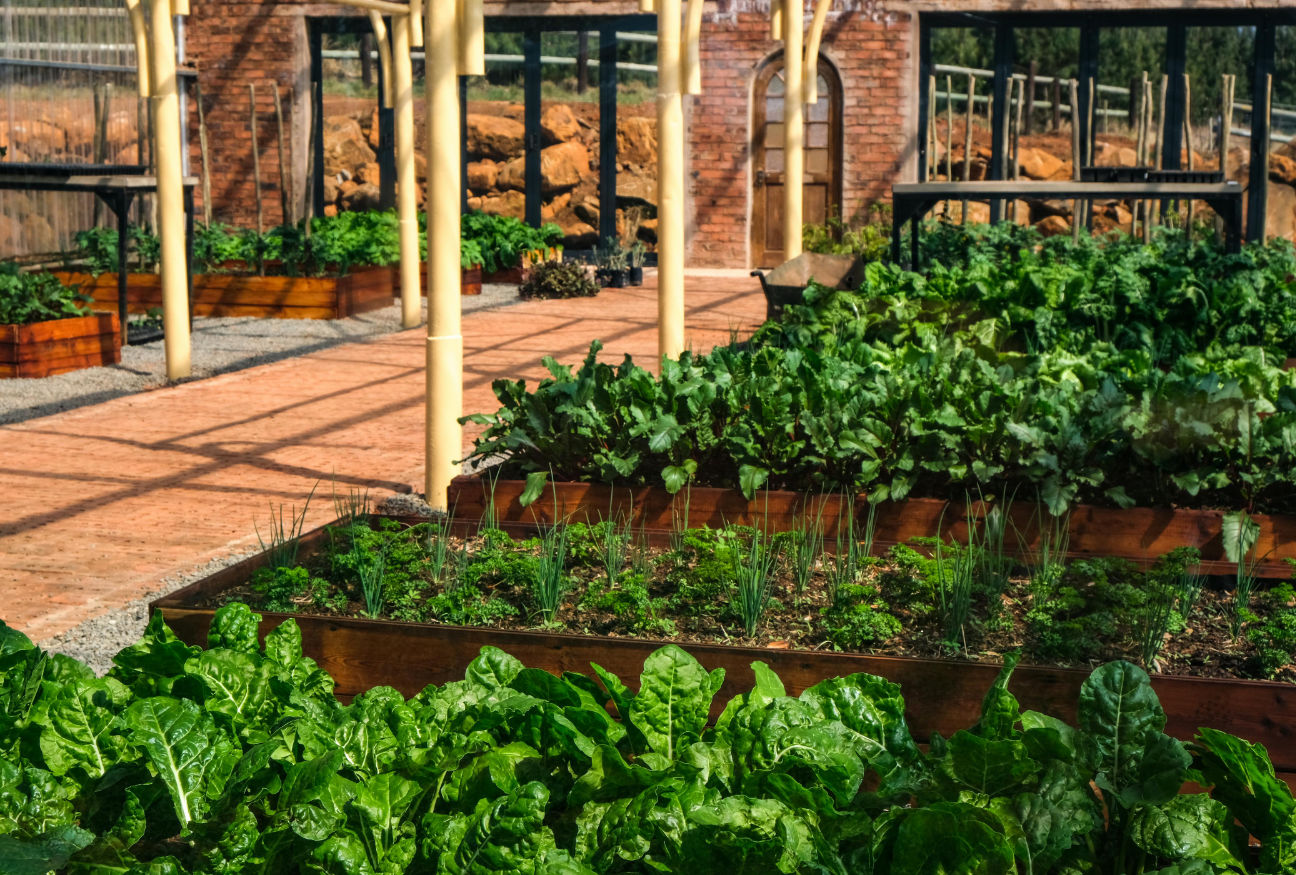
Gardens aren't just for food - they're also places of beauty, rest, and enjoyment. Raised beds help you achieve a clean, professional look, even in small or awkward spaces. Their structured appearance brings order to your landscape, and they can be customized to suit any style or setting.
Design bonuses:
- Choose materials like cedar, galvanized steel, or stone to match your home's style.
- Beds look tidy, even in small or urban spaces.
- Organise plants by color, size, or function for a designer garden feel.
Try this tip: Line your pathways with mulch or gravel to contrast the raised beds and create a clean, finished look.
Reduced soil compaction
Healthy soil is full of air, water, and microorganisms - and walking on it crushes all of those. With raised beds, you designate walking paths around your garden rather than through it, keeping your soil loose and alive.
Benefits to roots:
- Plants grow stronger and more vigorously.
- Soil structure stays loose and rich with air pockets.
- No need for frequent tilling or deep digging.
Try this tip:
Lay down stepping stones or install dedicated walkways around your riased beds to keep growing areas undisturbed.
Better water conservation
In a world where water conservation is increasingly important, raised beds help you water wisely. Their contained design lets you apply moisture exactly where it's needed - right at the roots - while minimising waste through evaporation or runoff.
Water-saving perks of raised beds:
- Direct water application reduces evaporation and runoff.
- Easy to install drip irrigation systems or soaker hoses.
- Soil amendments like compost and mulch hold water longer.
Try this tip:
Water your raised beds in the early morning and mulch well to cut water use by up to 50%.
Flexibility in location
You don't need a traditional backyard to enjoy gardening. One of the best parts of raised beds is how versatile they are - you can set them up almost anywhere, even in places where the native soil is unusable or nonexistent.
Possible locations:
- Balconies, patios, rooftops, driveways.
- Shady corners for leafy greens or herbs.
- Portable options for renters or temporary installations.
Try this tip:
Add wheels or place beds on cinder blocks for mobility and drainage in paved areas.
Raised beds make it easier to customise soil pH
Different crops thrive in different pH levels, and adjusting your soil's acidity is much easier in a raised bed. Whether you're growing acid-loving blueberries or lime-happy brassicas, you can fine-tune each bed to suit specific plant families.
Raised beds are great for:
- Acid-loving plants like blueberries, azaleas, and potatoes.
- Adjusting pH for crop rotation or soil improvement.
- Creating specialised herb or flower beds.
Try this tip: Use a pH meter annually and add lime (to raise pH) or sulfur (to lower it) as needed.
Ideal for companion planting
Nature is full of helpful partnerships between plants. Raised beds make it easier to use companion planting strategies, where certain plants grow better together - either by deterring pests, improving flavor, or enhancing growth.
Smart combinations:
- Tomatoes + basil = flavor boost + pest repellent.
- Carrots + onions = mutual pest protection.
- Beans + corn + squash = 'Three Sisters' combo that supports each other.
Try this tip: Rotate companions seasonally and record what works well for long-term planning.
Low start-up costs to high reward
Building raised beds does require a bit of time and money up front, but the return on investment is high. You'll grow healthier plants, deal with fewer problems, and enjoy higher yields - all with less frustration and maintenance.
Why it pays off:
- Higher yields and better plant health.
- Less wasted time and effort on weeding or troubleshooting.
- More control means fewer expensive garden problems down the line.
Try this tip: Build your first bed from salvaged wood or recycled materials to reduce start-up costs.
Encourages Biodiversity and Sustainability
Today's gardeners are thinking more about how their gardens affect the planet. Raised beds support sustainable practices and help you build healthy mini-ecosystems right in your back garden. By growing diverse crops organically and minimizing harmful practices, you make your garden part of the solution.
How they help the planet:
- Create a closed-loop system using home compost and mulch.
- Support pollinators with integrated flowers and herbs.
- Avoid chemical fertilisers and pesticides more easily.
Try this tip:
Plant marigolds, nasturtiums, or calendula around the edges to repel pests and support pollinators.
Final Thoughts
Raised bed gardening is more than just a trend - it's a powerful way to reconnect with nature, grow your own food, and take control of your garden's success. Whether you're growing lettuce in a small urban courtyard or cultivating tomatoes in a sprawling backyard, raised beds give you the structure, flexibility, and efficiency to garden smarter - not harder.
With improved soil quality, better drainage, fewer weeds, and easier access, raised beds remove many of the common barriers that discourage new gardeners and frustrate experienced ones. They allow you to design a growing space that's productive, beautiful, and tailored to your exact needs. From extending the growing season to conserving water and promoting biodiversity, the benefits are practical, tangible, and long-lasting.
If you've been on the fence about starting a raised bed garden, now is the perfect time to take the leap. Building your first raised bed doesn't have to be expensive or complicated - just start with one, and grow from there. You'll likely find yourself harvesting more than just vegetable - you'll gain confidence, joy, and a deeper appreciation for your garden's potential.
No matter your space, experience level, or goals, raised bed gardening offers a better way to grow. It's a system that works with nature rather than against it, making gardening more accessible, sustainable, and fulfilling for everyone. So why wait? Dig in, get your hands dirty, and let raised beds help you grow the garden you've always dreamed of.