Create a Native Hedge: How to Plant and Grow a Wildlife-Friendly Hedge
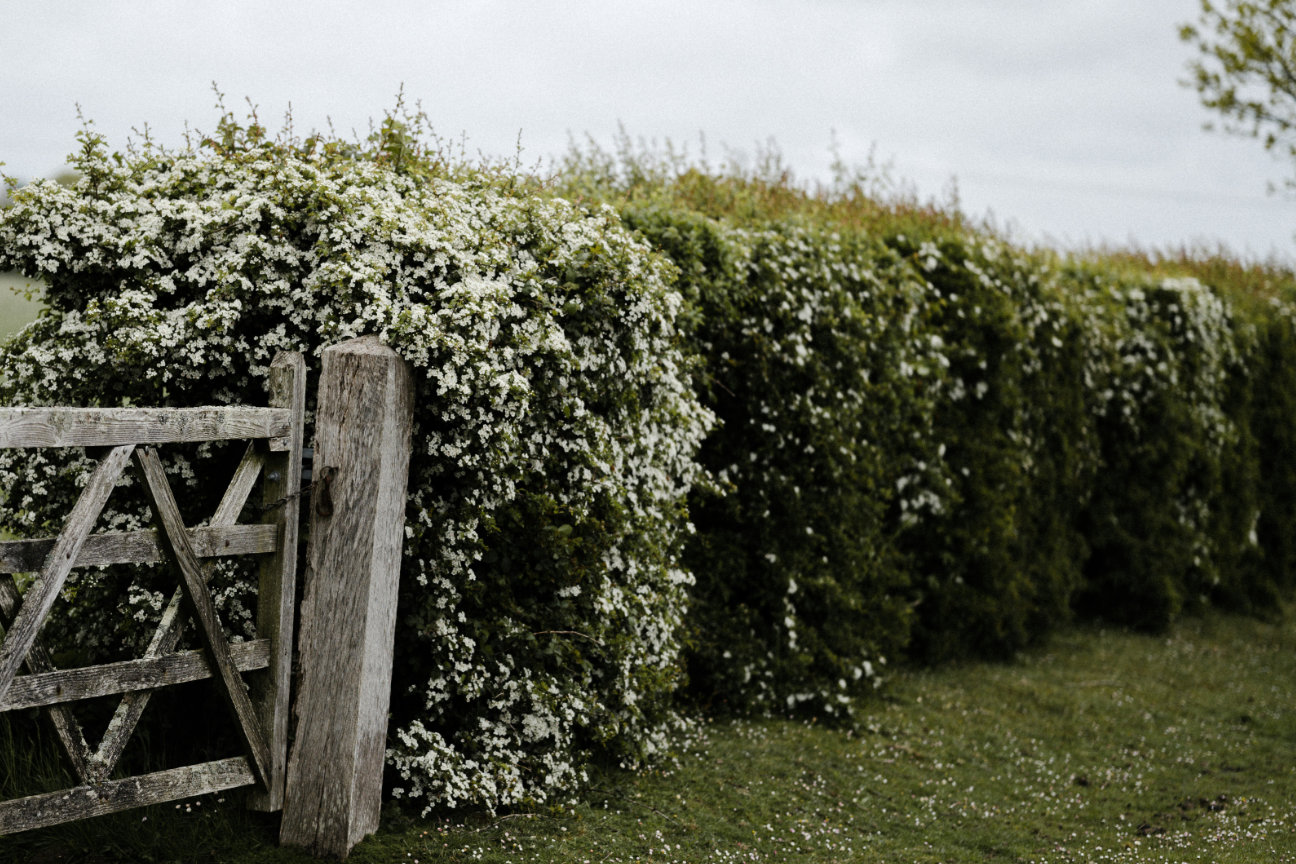
Imagine a boundary that's alive - one that hums with bees in spring, rustles with blackbirds in autumn, and changes colour with the seasons. A well-planted hedge is so much more than a barrier between spaces; it's a living network that connects gardens, fields, and woodlands, allowing wildlife to move safely through the landscape. For centuries, hedgerows have shaped our countryside and supported biodiversity - and now, as gardens become increasingly important refuges for wildlife, we can each play a part in restoring that natural tapestry.
Planting a native hedge is one of the most rewarding and environmentally positive actions you can take. Unlike a fence or wall, a hedge grows and evolves - offering flowers for pollinators, berries for birds, and shelter for small mammals throughout the year. It provides privacy, reduces wind, improves soil structure, and even absorbs pollution. The simple act of planting native shrubs and small trees can transform a plain boundary into a thriving ecosystem that buzzes, flutters, and sings with life.
Choosing native species is vital. These plants have co-evolved with our local insects and animals, meaning they offer exactly the kind of nectar, pollen, fruit, and shelter that native wildlife depends on. A hedge of hawthorn, blackthorn, and field maple, for example, can support hundreds of different insect species - which in turn feed birds, bats, and hedgehogs. Add a few edible and ornamental species such as crab apple, dog rose, or elder, and you'll also enjoy seasonal treats of blossom, hips, and berries for your own kitchen.
Whether you're planting along a rural boundary, softening a garden fence, or dividing space in an urban plot, a native hedge will quickly become the heart of your garden's ecosystem. This guide will take you step by step through the process - from choosing the right plants and spacing them effectively, to deciding between bare-root or potted stock, maintaining your hedge, and even incorporating native trees for extra structure. By the end, you'll be ready to create a hedge that grows beautifully, supports wildlife abundantly, and gives back to nature year after year.
Table of Contents
- Why Choose Native Species for Your Hedge?
- Ten Native Species for a Thriving Hedge
- 1. Hawthorn (Crataegus monogyna)
- 2. Blackthorn (Prunus spinosa)
- 3. Hazel (Corylus avellana)
- 4. Field Maple (Acer campestre)
- 5. Dog Rose (Rosa canina)
- 6. Guelder Rose (Viburnum opulus)
- 7. Crab Apple (Malus sylvestris)
- 8. Elder (Sambucus nigra)
- 9. Holly (Ilex aquifolium)
- 10. Wayfaring Tree (Viburnum lantana)
- Choosing Between Bare Root, Root Ball, and Potted Plants
- Including Trees Along the Hedge
- Maintenance and Care Tips
- Get planting!
Why Choose Native Species for Your Hedge?
Planting a hedge made from native species is one of the most effective and sustainable ways to enhance biodiversity in your garden or along field boundaries. Native plants have evolved alongside local wildlife, providing food, shelter and breeding sites for countless species of birds, insects and small mammals. They are also well adapted to local soils and climate, meaning they require less maintenance, fewer chemicals, and are more resilient in changing weather conditions.
A native hedge can serve as a living boundary, windbreak and wildlife corridor all at once. Over time, it becomes a dynamic ecosystem that supports bees, butterflies, birds and hedgehogs - a true celebration of nature on your doorstep.
Ten Native Species for a Thriving Hedge
When planning your hedge, aim for a mixture of species to provide variety in structure, flowers, fruit and seasonal interest. Diversity is key to creating a resilient, wildlife-friendly hedge - each plant brings something different to the table. Some offer dense cover and thorny protection for nesting birds, others provide early nectar for pollinators or berries that sustain wildlife through the winter. A rich blend of species ensures that something is always in bloom, in leaf, or in fruit, making your hedge not only beautiful but ecologically valuable all year round.
Think of your hedge as a miniature woodland edge - a layered community of shrubs, climbers and small trees that together create shelter, shade and food for countless creatures. Combining quick-growing structural species such as hawthorn and blackthorn with slower, fruiting plants like dog rose, crab apple and guelder rose gives both instant impact and long-term variety. This mix also enhances resilience, helping your hedge adapt to changing weather and soil conditions while reducing the risk of pests or disease spreading through a single-species planting.
Below are ten excellent native hedge plants, each with unique wildlife benefits, growth characteristics and planting recommendations - including several that offer edible treats for you as well as the birds.
1. Hawthorn (Crataegus monogyna)
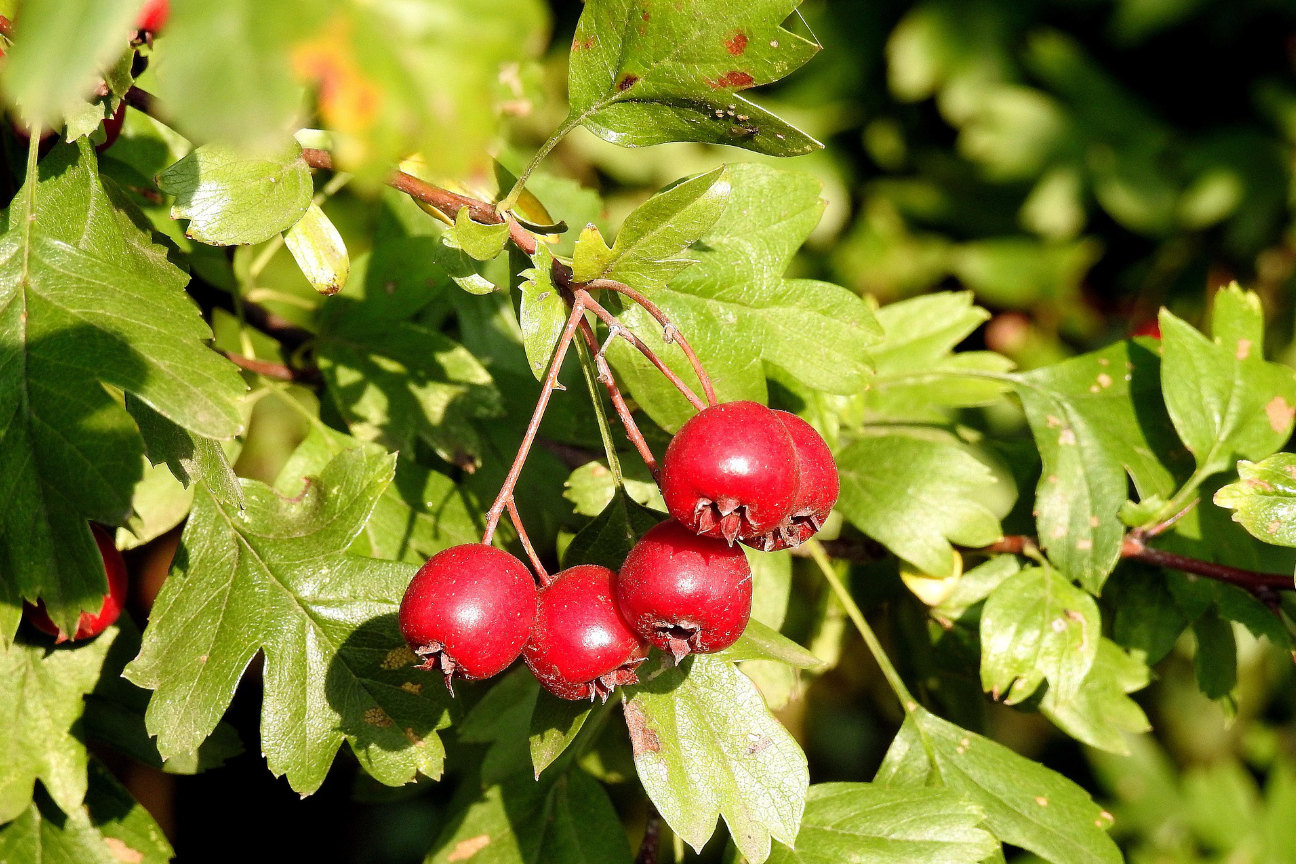
One of the best-known native hedge plants, hawthorn is the backbone of many traditional countryside hedges. Its dense, thorny structure forms an excellent barrier while supporting hundreds of insect species.
Wildlife value: Its fragrant white flowers attract bees and hoverflies, while the red berries (haws) are a vital autumn food for thrushes, blackbirds and small mammals.
Human use: Haws can be made into jellies, syrups, or herbal teas.
Growth rate: Fast - up to 40-60 cm per year.
Plant spacing: 4-6 plants per metre (double staggered row) for a dense hedge.
2. Blackthorn (Prunus spinosa)
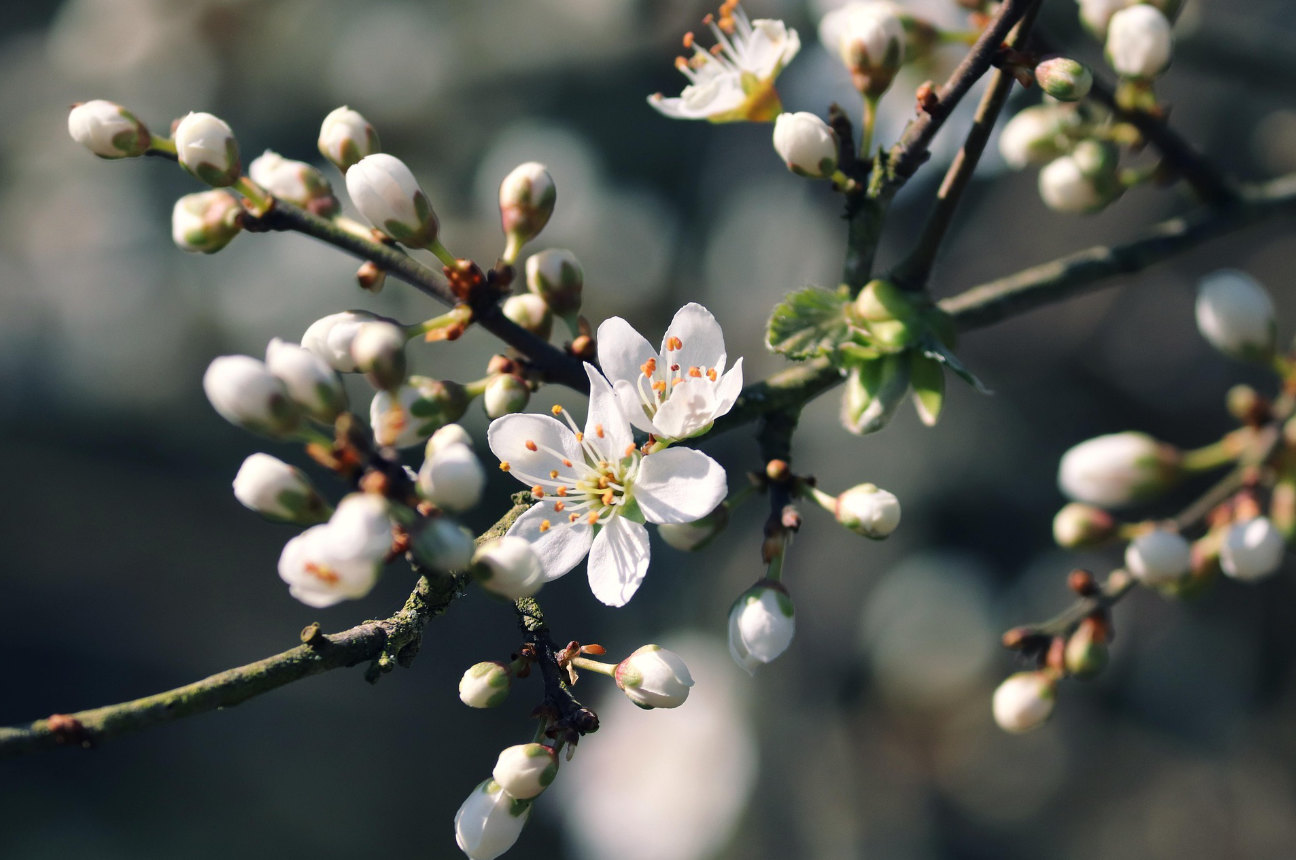
Blackthorn is an early bloomer and one of the first hedgerow species to flower in spring, producing a stunning cloud of white blossom even before its leaves appear. Its thorny stems make it ideal for a protective hedge.
Wildlife value: Early spring blossom provides nectar for queen bumblebees; sloes feed birds like fieldfares and redwings.
Human use: The purple-black sloes can be used to make sloe gin, jams and jellies (best picked after frost).
Growth rate: Moderate - 30-45 cm per year.
Plant spacing: 4-5 plants per metre.
3. Hazel (Corylus avellana)
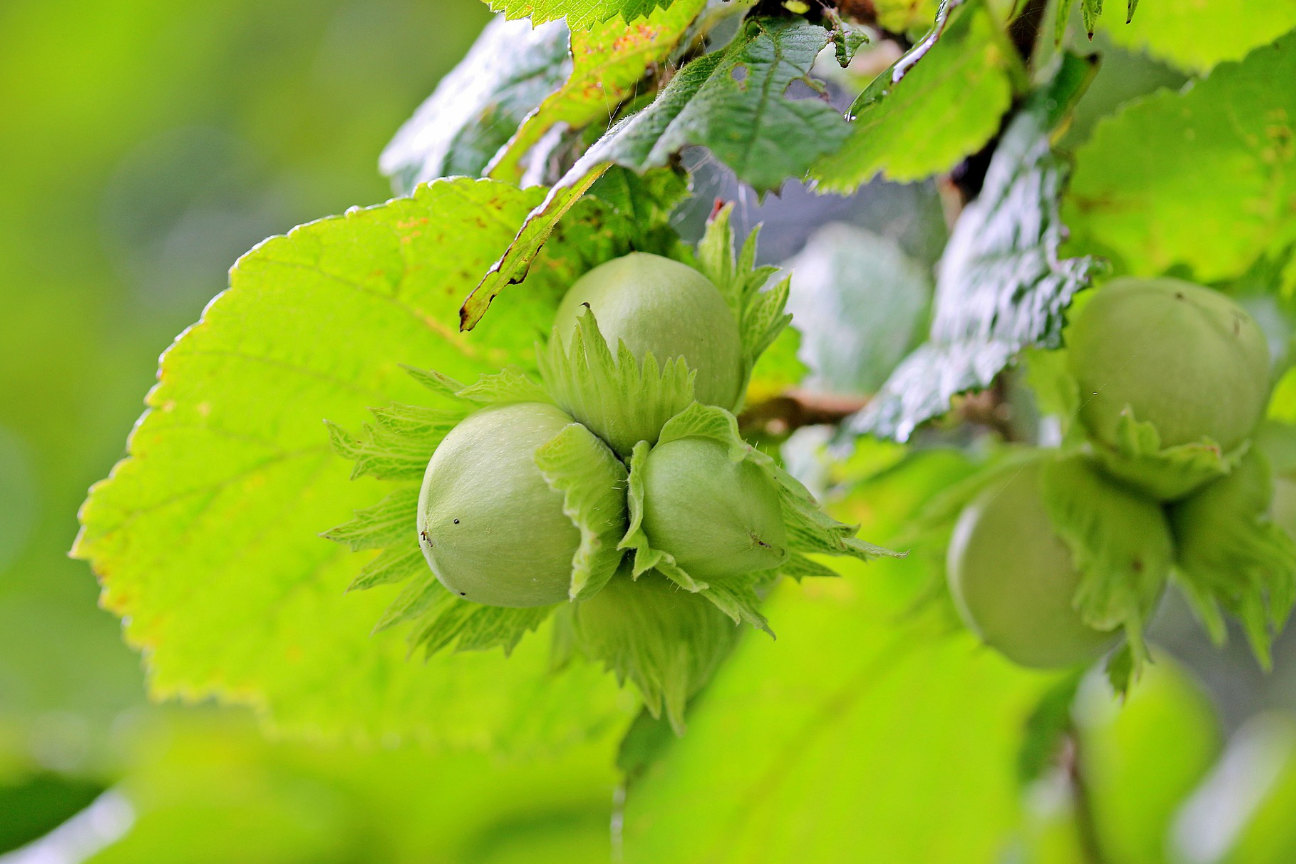
A versatile and much-loved native shrub, hazel adds structure and texture to a hedge. It?s also one of the most valuable species for woodland wildlife and coppicing.
Wildlife value: Catkins supply early pollen for bees, while nuts feed wood mice, squirrels and jays.
Human use: Hazelnuts are a delicious and nutritious autumn treat, eaten raw or roasted.
Growth rate: Moderate to fast - 40-60 cm per year.
Plant spacing: 3-4 plants per metre.

4. Field Maple (Acer campestre)
The only native British maple, this species brings warm golden tones to the autumn landscape. Its small leaves and compact shape make it perfect for mixed hedges.
Wildlife value: Its small flowers attract pollinating insects, and the seeds (helicopters) are eaten by finches. Leaves host many aphids and caterpillars, which in turn feed birds.
Growth rate: Moderate - 30-45 cm per year.
Plant spacing: 3-4 plants per metre.
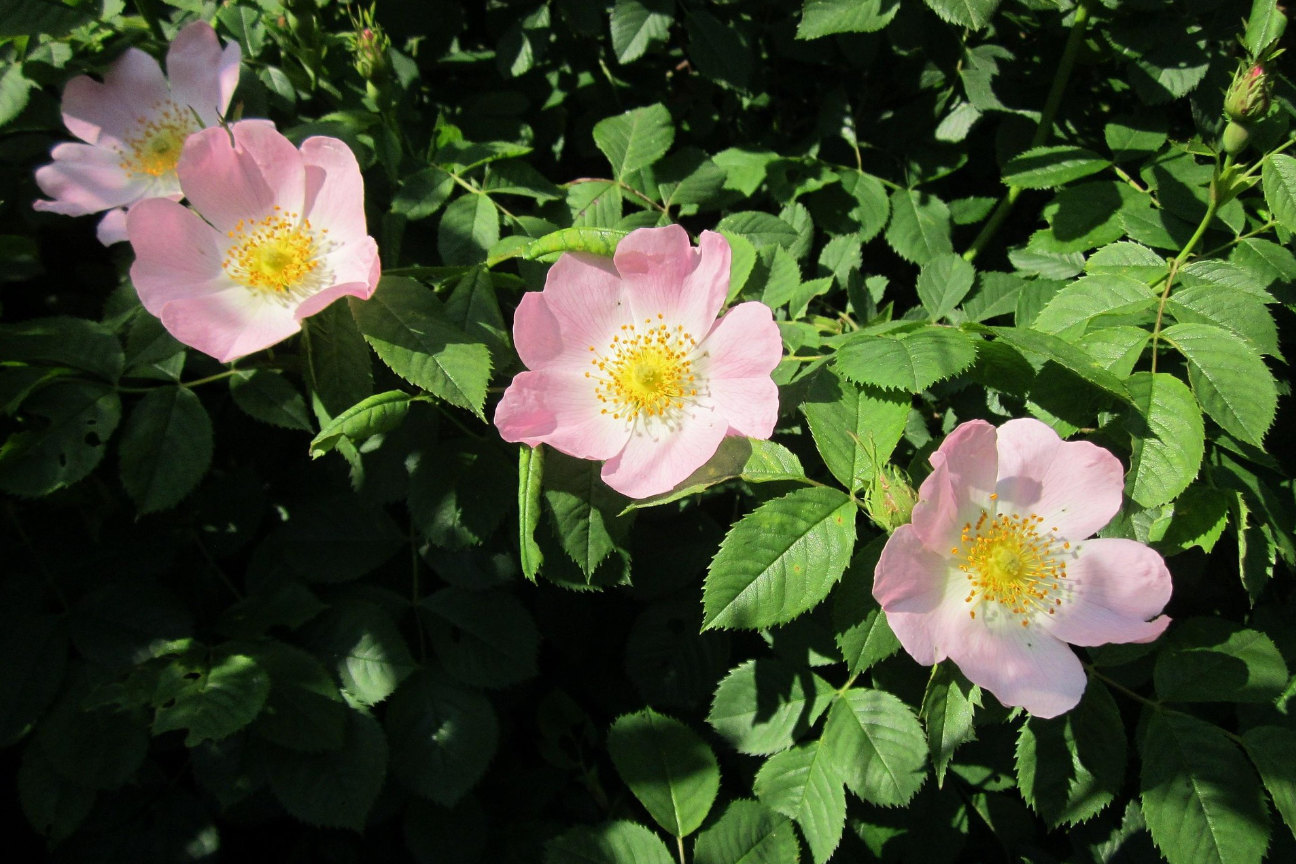
5. Dog Rose (Rosa canina)
This climbing wild rose brings soft colour and gentle fragrance to a hedge. Its arching stems weave through other species, creating a natural, informal look.
Wildlife value: The pink flowers are loved by bees, and the red hips are rich in vitamin C and eaten by thrushes, finches and small mammals.
Human use: Rosehips make excellent syrups, jellies and herbal teas.
Growth rate: Moderate - 30-45 cm per year.
Plant spacing: 3-4 plants per metre (interplant within a thorny framework).
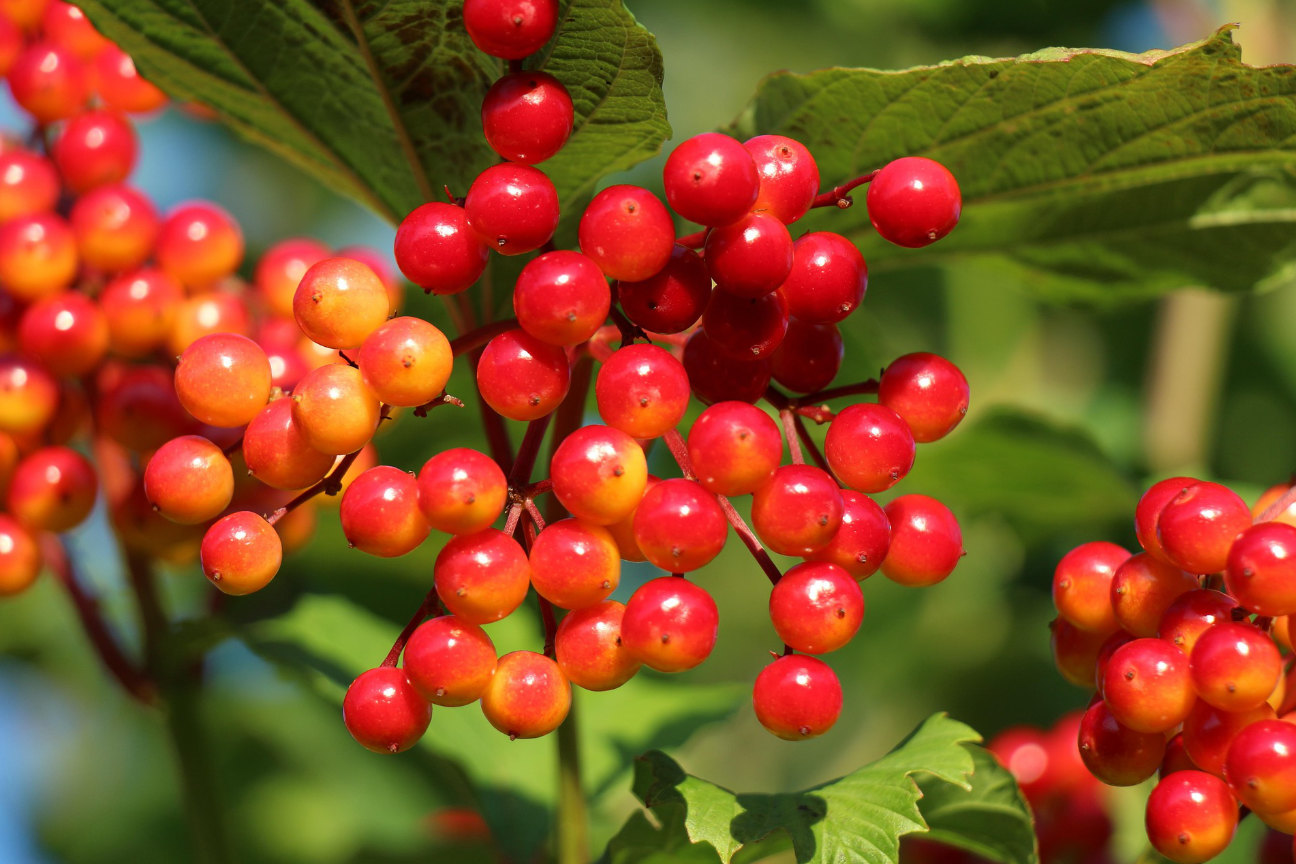
6. Guelder Rose (Viburnum opulus)
With showy white flowers and brilliant red berries, the guelder rose adds a splash of colour and elegance to any hedge, particularly in damper soils.
Wildlife value: White flower clusters attract hoverflies and bees; bright red berries feed robins and bullfinches in autumn and winter.
Human use: Berries can be cooked to make jellies or sauces (never eat raw).
Growth rate: Moderate - 30-40 cm per year.
Plant spacing: 3-4 plants per metre.
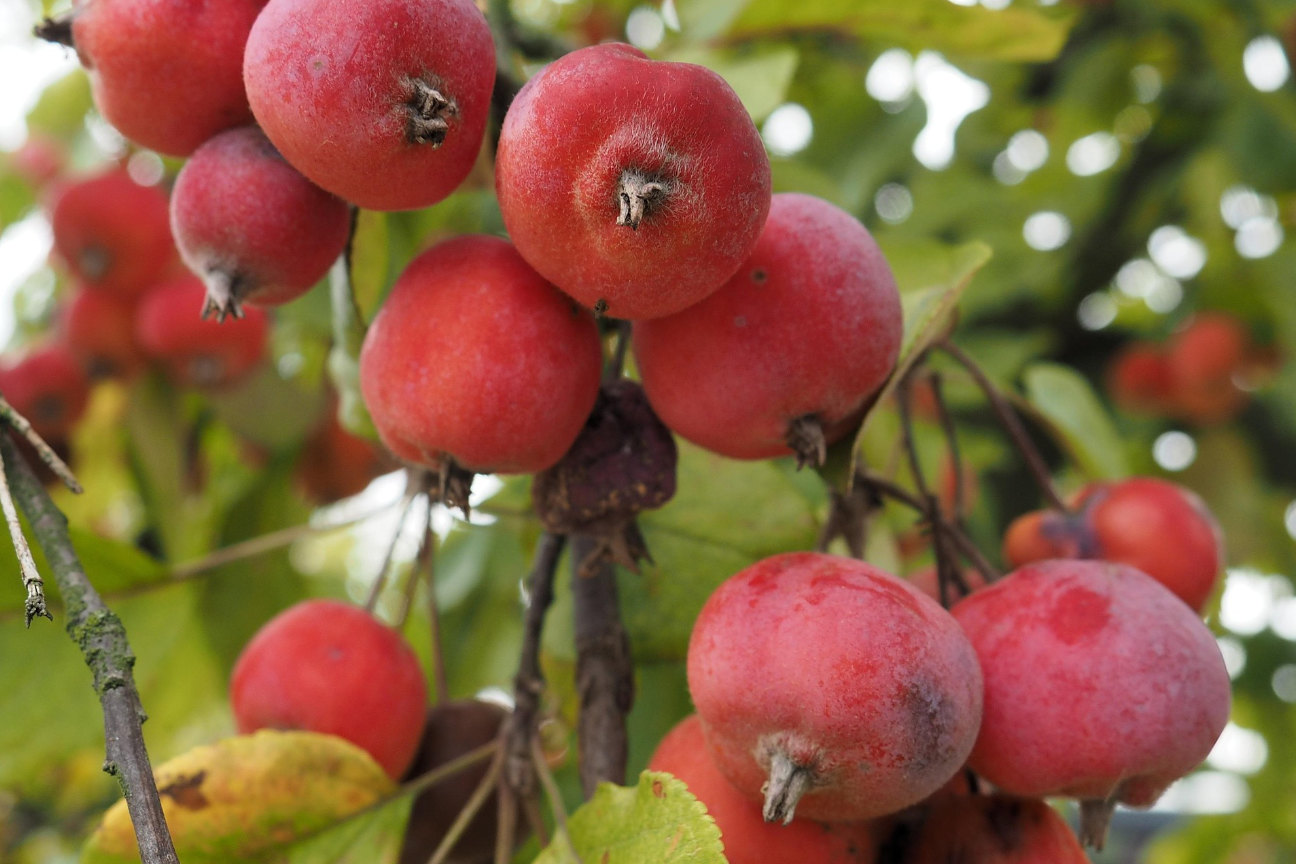
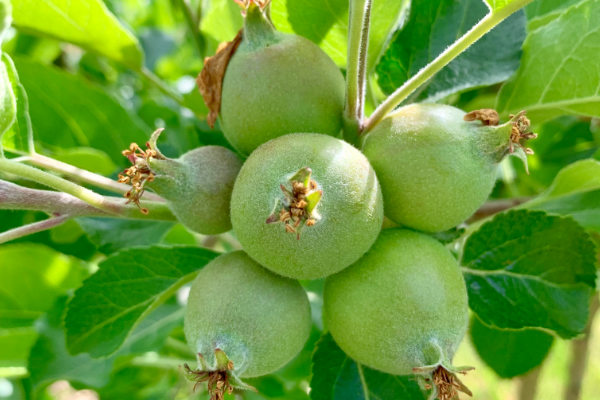
7. Crab Apple (Malus sylvestris)
A small native tree often found in traditional hedgerows, crab apple offers beautiful blossom and crisp autumn fruit. It?s perfect for adding seasonal colour and wildlife value.
Wildlife value: Blossom attracts pollinators; fruits feed birds and small mammals through winter.
Human use: The tart apples make excellent jellies and chutneys, and can be used in cider blends.
Growth rate: Moderate - 30-45 cm per year.
Plant spacing: 2-3 plants per metre (as accent species).
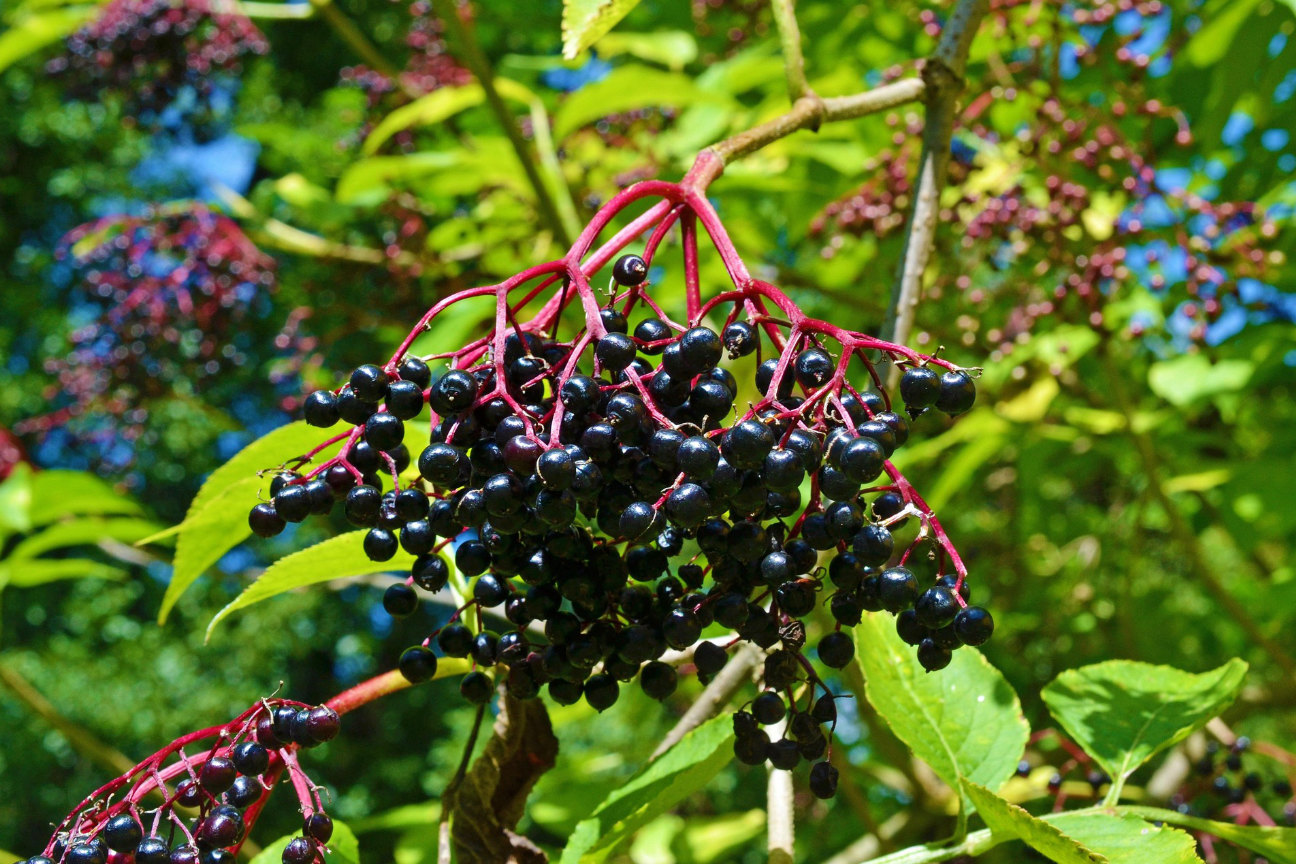
8. Elder (Sambucus nigra)
A familiar hedgerow shrub, elder provides frothy white blossom in early summer followed by clusters of deep purple berries later in the year.
Wildlife value: Flowers attract pollinators; berries feed many birds including blackbirds and thrushes.
Human use: Elderflowers can be made into cordial or champagne; berries (cooked) are used in syrups, wines and jams.
Growth rate: Fast - 50-70 cm per year.
Plant spacing: 3-4 plants per metre.
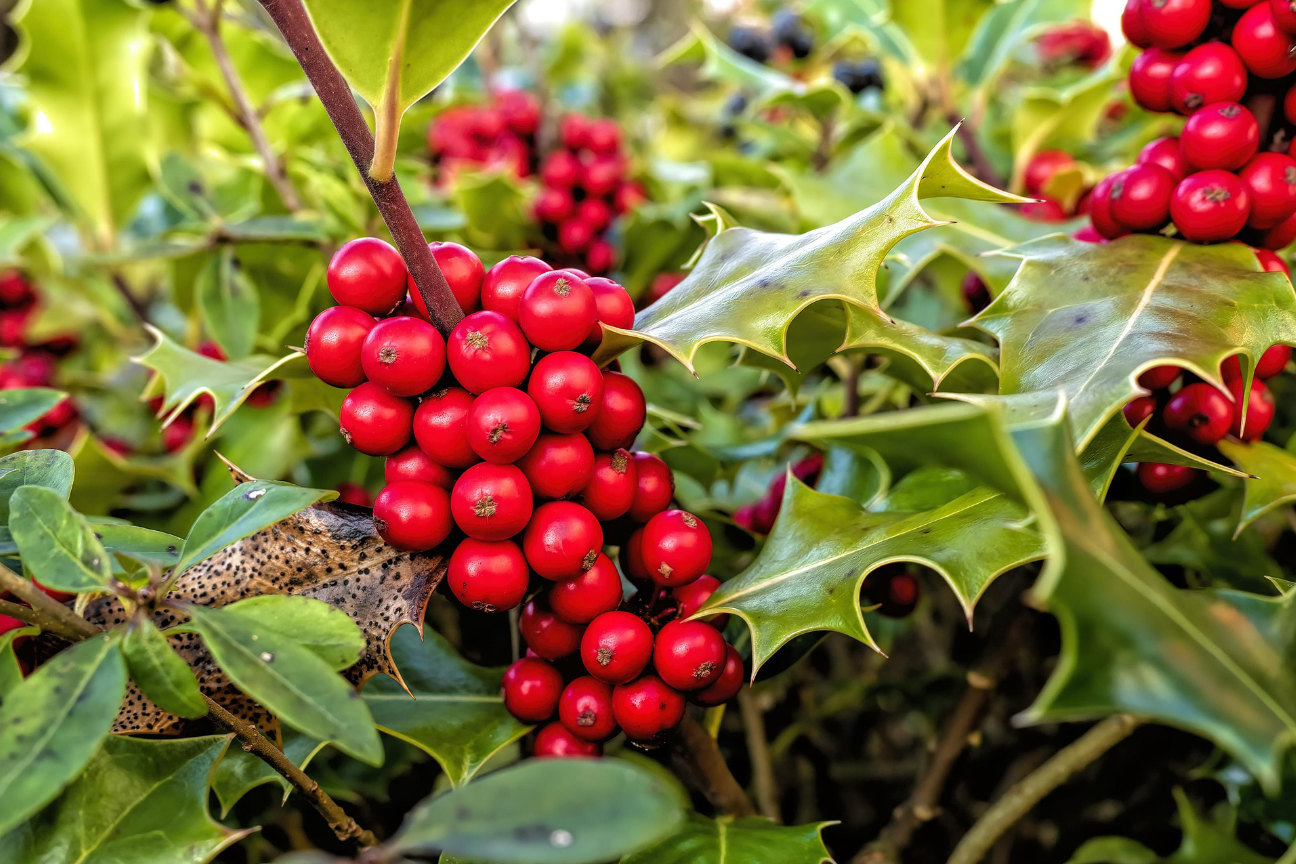
9. Holly (Ilex aquifolium)
Holly is a true symbol of British woodlands, bringing year-round greenery and festive berries. It?s slow-growing but offers exceptional shelter and seasonal colour.
Wildlife value: Glossy evergreen leaves offer shelter all year; red berries feed birds such as blackbirds and song thrushes. Flowers are visited by bees and flies.
Growth rate: Slow - 10-20 cm per year.
Plant spacing: 2-3 plants per metre.

10. Wayfaring Tree (Viburnum lantana)
Often found on chalky hillsides, the wayfaring tree is a tough shrub with felted grey leaves, creamy spring flowers, and attractive red-to-black berries.
Wildlife value: Clusters of creamy flowers attract pollinators; red-to-black berries feed many birds. Its dense structure provides nesting cover.
Growth rate: Moderate - 30-45 cm per year.
Plant spacing: 3-4 plants per metre.
Choosing Between Bare Root, Root Ball, and Potted Plants
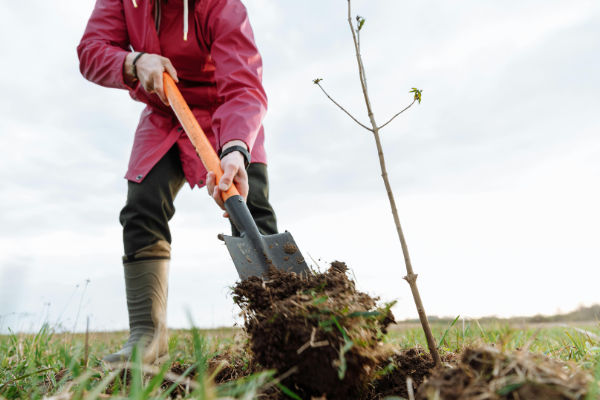
The best time to plant a native hedge is between November and March, when plants are dormant. During this period, you can choose from three common types of plants:
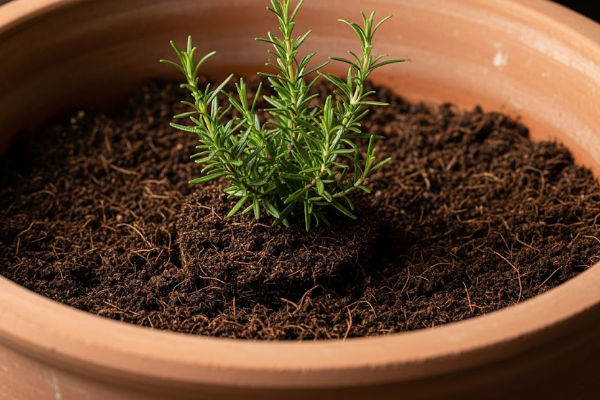
- Bare root plants: The most economical and environmentally friendly option. These are dormant plants with no soil around the roots, ideal for large hedges. They must be planted quickly and kept moist until planting.
- Root ball plants: Slightly larger and more mature, supplied with soil around their roots wrapped in biodegradable material. They establish quickly but are more expensive.
- Potted plants: Available year-round and perfect for smaller projects or replacing gaps. More costly but flexible in timing.
For most native hedges, bare root plants are recommended - they are affordable, easy to handle, and root well in cooler, moist soil.
Including Trees Along the Hedge
For added height, structure, and biodiversity, consider planting a few native trees at intervals along your hedge - every 10 to 15 metres works well. Species such as oak, rowan, crab apple, or field maple add vertical interest, blossom, and fruit, while providing roosting spots for birds.
Choose trees that won't overshadow the hedge and prune lightly to maintain balance between tree canopy and shrub growth.
Maintenance and Care Tips
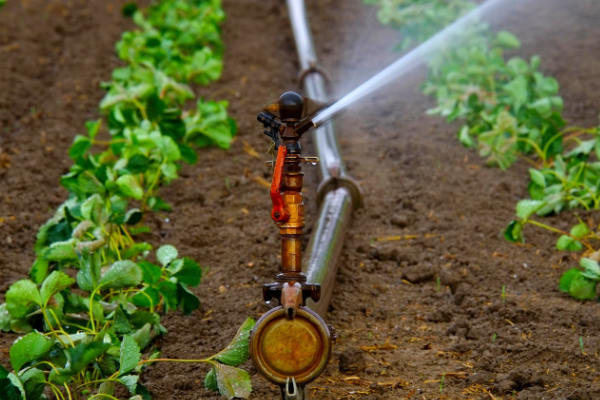
During the first two years, keep your hedge well-watered in dry spells and free from competing weeds or grass. Mulching helps retain moisture and suppress weeds.
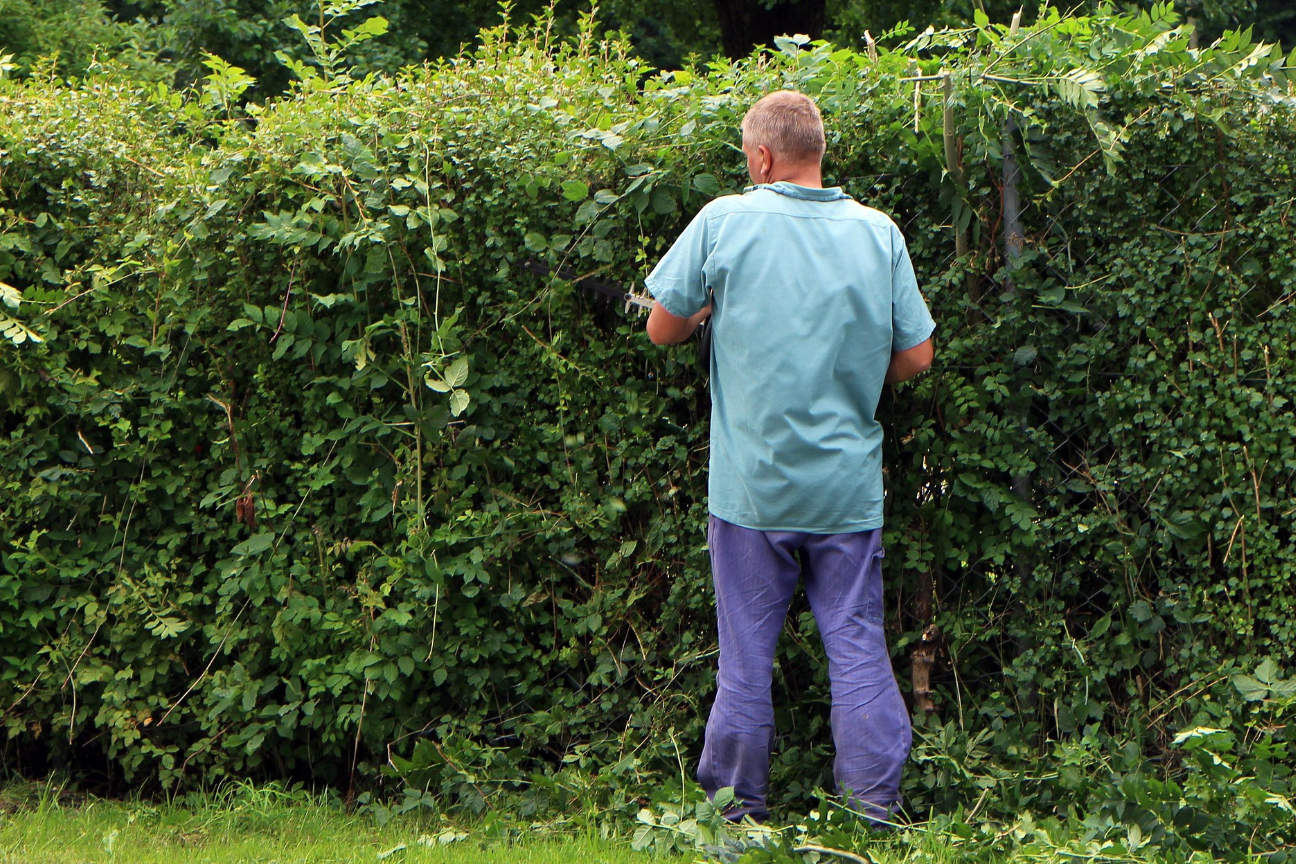
Once established, trim your hedge lightly each winter or late summer to maintain shape and encourage thick growth. Avoid heavy cutting between March and August to protect nesting birds. Every few years, rejuvenate sections by cutting them back more deeply to encourage new shoots from the base - this mimics traditional hedgelaying and keeps the hedge dense and healthy.
Leave some berries and hips through the winter - they provide crucial food for wildlife and a touch of natural beauty when little else is in fruit.
Get planting!
Planting a native hedge is more than just landscaping - it's an act of conservation. By choosing native species, you help restore fragmented habitats, support pollinators, and provide vital food and shelter for wildlife throughout the year. And by including a few fruiting species such as crab apple, elder or dog rose, you can share in the harvest too.
Autumn and early winter are ideal times to plant bare-root hedge plants. Mix several species for diversity and resilience, and you'll soon have a living boundary that's bursting with life. Whether in a small garden or along a rural track, your native hedge will be a legacy for future generations of both people and wildlife.
Start planting today - and grow a hedge that gives back to nature and to you!