September gardening jobs
As the days grow shorter and temperatures begin to cool down, September marks a time to wrap up summer tasks while preparing for the changes of autumn. Even as the seasons shift, your garden still requires a little attention to make the most of these final sunny days before the chill of winter sets in.
Here are some important gardening tasks to tackle in September:
Harvesting crops
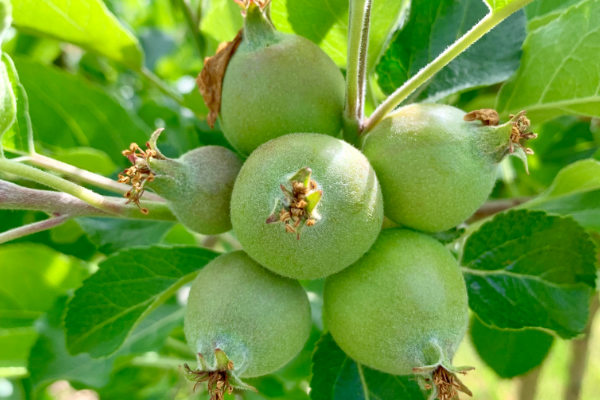
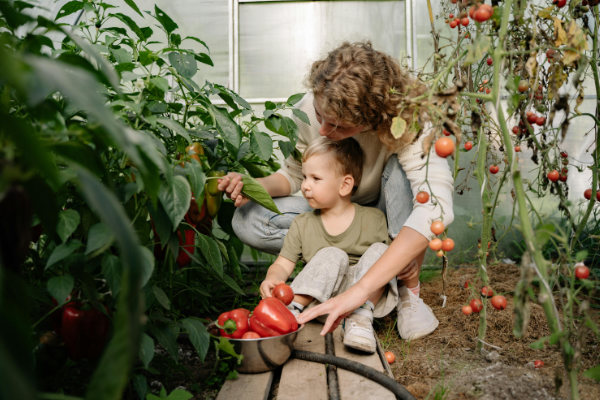
For those with a well-planned garden, September is the time to reap the rewards. If you have autumn-fruiting raspberries, now is the moment to pick them regularly. Any excess can be preserved through freezing, or you can turn them into delicious jams, sauces, or desserts.
If you still have potatoes in the ground, it's wise to dig up the remaining crop before slugs spoil them. Pick a dry, warm day to lift the potatoes, and let them sit on the soil to dry out slightly before storing them for the colder months.
Get Ready for Spring with Bulbs
A forward-thinking gardener always plans for the seasons ahead. September is an ideal time to plant spring-flowering bulbs. Snowdrops, daffodils, and tulips will bring vibrant colour to your garden as winter fades. Whether planted in containers or borders, these bulbs will be the first signs of life in your garden after a long winter's rest.
Protect Your Crops from Birds
Autumn brings more than just cooler weather - it also signals the return of hungry birds. Birds like pigeons can be relentless in their search for food, and brassicas or peas are often their top choice. Protect these crops with bird-proof netting to keep them safe. Be sure to stretch the netting tightly to prevent birds from getting entangled.
For extra protection, consider using scare devices, such as shiny foil tape or bird repellent sounds, but keep in mind these methods may lose effectiveness over time as birds become accustomed to them.
Tend to Houseplants
As the season changes, indoor plants also need a little extra care. With cooler temperatures and shorter days, most houseplants will require less frequent watering. It?s essential to check the soil moisture before watering, as overwatering can lead to root rot. Water your plants thoroughly, allowing the water to flow out through the drainage holes, but don't water again until the soil feels dry to the touch.
A great tip: fill your watering can the day before and allow the water to come to room temperature. This will also give chlorine time to dissipate, which can be harmful to some plants.
Prepare for October
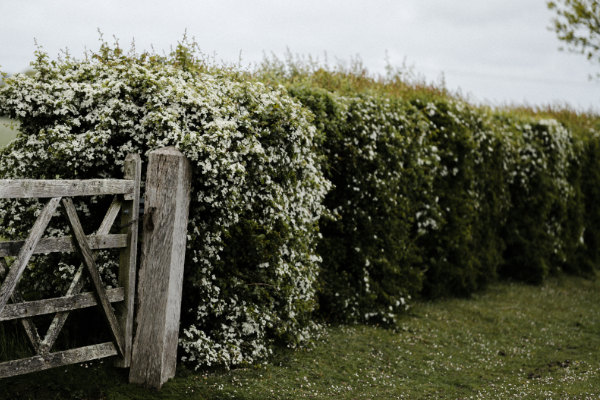
Looking ahead, September is also a good time to prepare for October gardening tasks. If you plan to overseed your lawn or repair bare patches, now is the time to buy grass seed. If hedge trimming is on your to-do list for next month, be sure your hedge trimmer is in working order and ready for use.