July gardening jobs
As summer takes hold across the UK (with fingers crossed for sunshine!), July invites us to really immerse ourselves in the vibrant life of our gardens. This is a month when blooms are at their brightest, bees are busily pollinating, and long days encourage us to spend more time outdoors.
While the garden may look its best, there's still plenty to do to keep it thriving through the height of summer!
With the warmer weather comes the need for regular watering, deadheading, and vigilance against pests that also thrive in these conditions. It's a crucial time to support plants through potential heatwaves, especially those in containers or recently planted borders. But it's not all hard work - July is equally about reaping the rewards, whether that's picking your first ripe tomatoes, gathering handfuls of sweet peas, or simply enjoying the buzz of life in a well-loved garden.
This month also offers the perfect opportunity to plan ahead. While you're enjoying the lush growth and colourful displays, it's worth thinking about succession planting and late-summer interest. Whether you're sowing biennials, refreshing tired pots, or giving the lawn a bit of care, July strikes a wonderful balance between tending, tweaking, and taking time to simply savour the season.
Prioritise Watering
With July often bringing hot and dry spells, consistent watering becomes a top priority - especially for plants in pots, hanging baskets, or exposed areas. Aim to water deeply so that moisture reaches the roots, rather than just dampening the surface.
Water either early in the morning or in the evening to reduce evaporation and give plants the best chance to absorb moisture. Keep in mind that each type of plant has different watering needs, so tailor your routine accordingly.
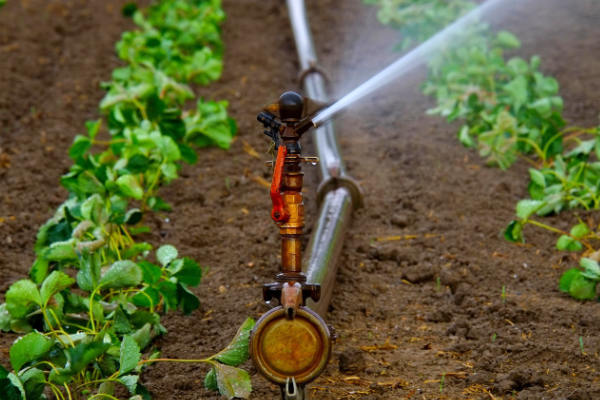
Consider adding mulch to retain soil moisture and reduce how often you need to water. Drip irrigation systems are also a smart option for efficient, low-waste watering. Don't forget that areas near fences and walls often receive less natural rainfall and may need extra care.
For recently planted specimens, maintaining moist soil is essential until their roots are well established.
Deadhead for More Blooms
Keep your garden looking neat and encourage more flowers by regularly removing faded blooms - a process known as deadheading. Many plants, including roses, will continue to flower well into summer if old flowers are snipped away promptly.
Support Tall Plants
Stately garden favourites like delphiniums, hollyhocks, and sunflowers can struggle to stay upright in summer winds. To protect them, use sturdy stakes such as bamboo canes or metal rods, and tie stems gently with soft string or garden twine.
Ensure supports are driven deep into the ground for stability, and tie loosely enough to avoid damaging the stems.
Thin Fruit and Veg
Some plants benefit from thinning to give the remaining fruits more space to grow. Tomatoes and raspberries, for instance, will produce better yields with fewer, well-developed fruits.
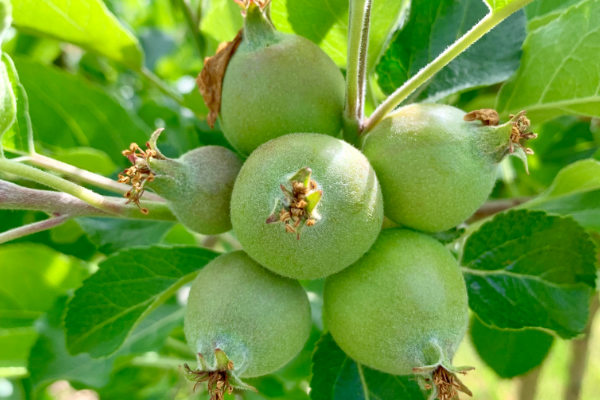
Apple trees may have already experienced the "June drop", but if clusters of fruit remain too dense, now's the time to remove some and allow the rest to grow to full size.
Get harvesting!
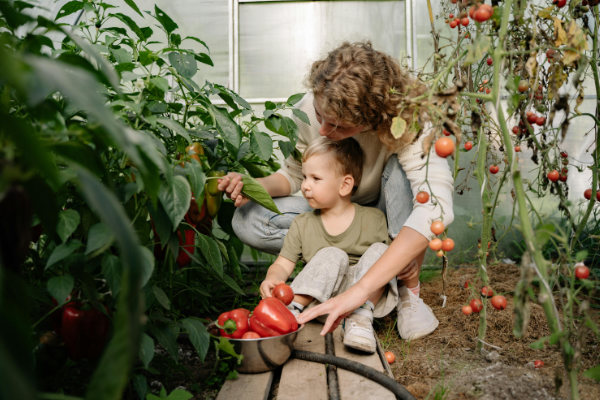
July is a prime time for harvesting! Look out for ripe strawberries, courgettes, broad beans, peas, and more.
Keep a close eye on courgettes - they grow fast and can quickly become oversized marrows if left too long. For the best flavour, pick them young and tender.
Improve your Soil
To keep your garden growing strong, pay attention to soil health. Adding compost or well-rotted manure improves structure, boosts water retention, and replenishes nutrients that plants need through the summer months.
Stay Ahead of Pests
July often brings an increase in garden pests like aphids, slugs, and snails. Keep an eye on your plants and deal with infestations promptly to prevent damage spreading. Use natural methods where possible to keep your garden eco-friendly.
Care for the Lawn
If you missed feeding your lawn in spring, now's a great time to apply a summer fertiliser. Check the label for instructions - some products work best just before rainfall.
To help your grass handle dry spells, raise your mower blade a little. This reduces stress on the lawn and keeps it looking greener for longer.
Water to Prevent Disease
Watering at the base of plants - rather than from above - is one of the simplest ways to reduce the risk of fungal diseases. Overhead watering can spread pathogens through splashing droplets.
By focusing water at the roots, you'll not only protect your plants but also waste less water through evaporation.
Plan for Next Year
Good gardeners are always thinking ahead. Now's the perfect time to begin planning next year's garden. Start browsing seed catalogues and jot down ideas for what you'd like to grow. Planning early means you're well-prepared when autumn seed-buying season arrives.
Enjoy the Results
Amid all the maintenance, don't forget to take time to simply enjoy your garden. July is ideal for relaxing outdoors - whether that means unwinding in a deck chair, reading in a shady spot, or sharing a barbecue with family and friends.
Use the warm evenings to host get-togethers under twinkling fairy lights or lanterns. Appreciate the sights, scents, and sounds of summer: buzzing bees, colourful blooms, and the rustle of leaves in the breeze.
After all your hard work, you've earned it.