November gardening jobs : Winter prep and planning ahead
As November settles in, it's tempting to assume the gardening season is over. With cooler temperatures, shorter days, and a distinct lack of flowers, your garden might seem like it's winding down. But take a closer look - rich berries, textured evergreen foliage, and a final show of autumn leaves prove there's still beauty to be found outdoors.
While it may be cosy inside, there's still plenty to do in the garden. November is your chance to tidy up, prep for winter, and plan for a successful growing season next year.
Clean, maintain, and store tools and equipment
If your main gardening jobs are finished for the year, now is the perfect time to clean, sharpen, and store your tools properly. Wash off soil, remove rust, and sharpen blades on secateurs, shears, and hoes so they're ready to go come spring.
Garden machinery also needs attention. If your lawnmower has done its last cut of the year, consider getting it serviced now - you'll beat the spring rush. Feeling practical? Check the manual and service it yourself. That usually involves changing the oil, replacing filters, and sharpening the blade.
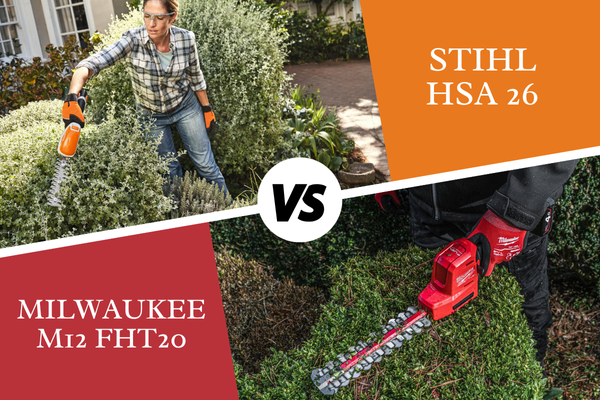
Battery-powered tools may require less maintenance, but it's still important to inspect them. Sharpen blades and store batteries properly - check the manufacturer's advice to prolong battery life during winter storage.
Don't forget seed trays and pots. Wash and disinfect them to help prevent the spread of pests and diseases. And if your greenhouse hasn't been cleaned yet, now's the time. Clean glass means more light for any overwintering plants, and a tidy environment reduces the risk of fungal problems.
Shop bare root plants and trees
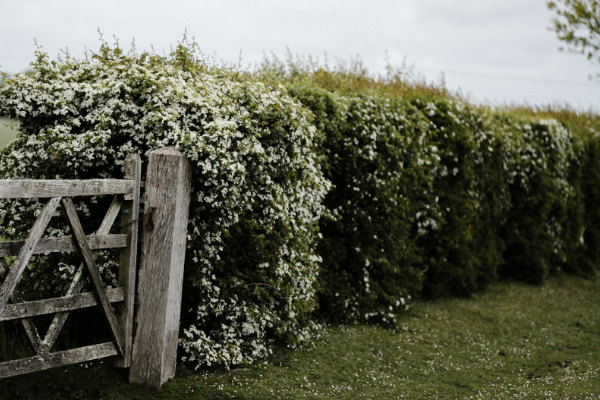
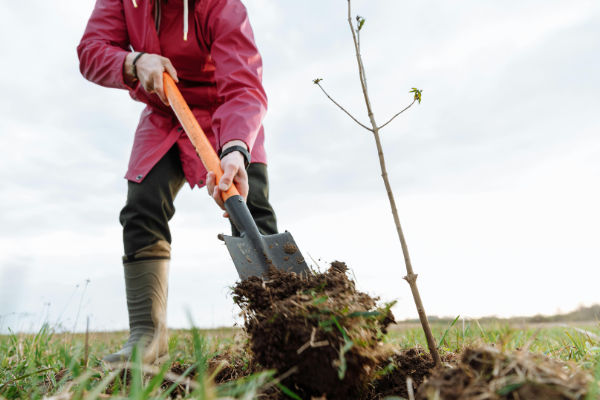
November is prime time for ordering and planting bare root plants, including fruit trees, hedging, roses, and other perennials. Many nurseries begin listing their bare root stock this month - it's often cheaper than potted plants and arrives in a dormant state, perfect for establishing roots before spring.
Bare root plants are lighter, easier to plant, and less expensive to ship - great if you're ordering online. Plus, planting them now gives their root systems time to settle in while the rest of the plant sleeps.
Protect your pots from frost damage
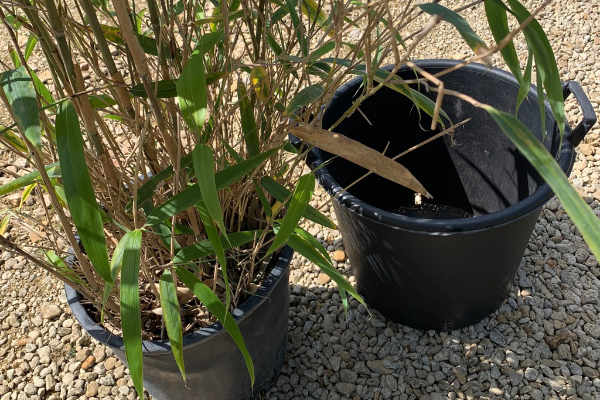
Outdoor pots can be vulnerable to frost. Help them survive the winter by insulating them with bubble wrap, fleece, or hessian. Raising pots off the ground using pot feet or bricks allows excess water to drain more easily and reduces the risk of waterlogging.
Before wrapping, give your containers a clean and remove any dead material. For added protection, group pots together in a sheltered spot - against a wall or under a canopy works well.
Throughout the winter, check insulation regularly. If it tears or becomes loose, fix or replace it to maintain protection from freezing temperatures.
Plan ahead for the new growing season
Use quieter gardening days to think ahead. Order seed catalogues, start planning next year's planting schemes, and make a shopping list of seeds, bulbs, and equipment you'll need.
Not only does this give you a motivational boost during the darker months, but it also ensures you're prepared when the first signs of spring appear.
Final Thoughts
November might not be the flashiest month in the gardening calendar, but it's a crucial time for behind-the-scenes work. A little effort now - cleaning, insulating, planning - will make a big difference when the growing season returns.
So throw on a warm coat, grab your gloves, and spend a few satisfying hours in the garden. Your future self (and your plants) will thank you for it.