How to care for newly planted trees - avoid common mistakes
Planting a tree is an investment in the future - a future of shade, beauty, and environmental benefits. But the success of that investment hinges on what happens after the tree goes into the ground.
Newly planted trees require careful attention during their establishment period, typically the first two to three years after planting. During this time, roots are expanding into the surrounding soil, and the tree is particularly vulnerable to stress, damage, and disease.
In this guide to caring for newly planted trees, we'll cover essential care practices, common problems to watch out for, and how to avoid pitfalls that can jeopardise your young tree's health.
Table of Contents

Watering: The Lifeline of New Trees
Watering is the single most important factor in the early survival of a newly planted tree. Because the tree's roots are limited in size and still confined to the original root ball, they need regular moisture to thrive. However, too much or too little water can both be harmful, making balance essential.
Why It Matters:
New trees have limited root systems and cannot access moisture deep in the soil. Inconsistent or incorrect watering is one of the leading causes of transplant failure.
- First Few Weeks: Water every 2-3 days for the first 2-4 weeks. The goal is to keep the root ball and surrounding soil consistently moist but not waterlogged.
- After 1 Month: Reduce to once a week, providing deep soakings. This encourages roots to grow downward.
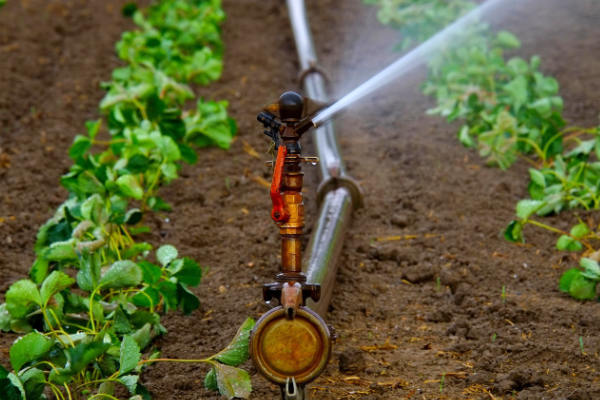
- How Much Water? Aim for 10-15 gallons (45-70 litres) per watering for a young tree (roughly 1-1.5 inches of water). Use a slow trickle or a drip hose to avoid runoff.
Avoid:
- Overwatering: Can suffocate roots and lead to root rot.
- Underwatering: Causes drought stress and can stunt root development.
Mulching: Insulating and Nourishing the Root Zone
Mulching is a simple yet powerful tool in tree care. A proper mulch ring acts as a protective blanket, maintaining soil moisture, regulating temperature, and shielding roots from weeds and lawn equipment.
Why It Matters:
Mulch helps retain soil moisture, regulate temperature, and suppress weeds - key factors in a young tree's survival.
- Apply 2-4 inches of organic mulch (wood chips, bark, or compost) in a donut shape around the base of the tree.
- Keep mulch 2-4 inches away from the trunk to prevent rot and pest problems.
Avoid:
- "Mulch Volcanoes": Piling mulch against the trunk can cause fungal disease and attract burrowing pests.

Staking: Support Without Restriction
While not all trees need staking, those planted in windy or unstable conditions may benefit from it during their early months. The goal is to support the tree while still allowing enough movement for it to develop a strong trunk and root system.
Why It Matters:
Staking can protect a young tree from strong winds and stabilise it in loose soil - but it must be done properly.
- Stake only if necessary (e.g., windy locations or top-heavy trees).
- Use two stakes positioned opposite each other and tied with soft, flexible ties.
- Alternatively, insert a stake into the soil at approximately 45 degrees, and leaning into the prevailing wind.
- Allow some movement - this encourages stronger trunk and root development.
- Remove stakes after 1 growing season, or sooner if the tree can stand on its own.
Pruning: Less is More
Pruning can shape a tree's structure and improve its long-term health, but it must be done with restraint in the early years. Too much pruning at the wrong time can do more harm than good, especially when a tree is still adjusting to its new environment.
Why It Matters:
While it may be tempting to shape your new tree right away, excessive pruning at planting time can reduce the tree's ability to photosynthesize and recover from transplant shock.
- At Planting: Prune only dead, damaged, or diseased branches.
- First Year: Avoid structural or aesthetic pruning.
- Second to Third Year: Begin light shaping, focusing on removing crossing branches or encouraging a strong central leader.
Fertilising: Not Always Necessary
It's natural to want to give your new tree a boost, but fertilising too soon can do more harm than good. Most soils already have enough nutrients to support a tree's initial growth, and fertilising prematurely can disrupt root development or lead to nutrient burn.
Why It Matters:
Too much fertiliser can stress a tree, especially if the roots aren't established enough to absorb the nutrients.
- Conduct a soil test before applying any fertiliser.
- If the soil is deficient, use a slow-release, balanced fertiliser in the second or third year.
- Organic compost can be a safer alternative to synthetic fertilisers.
Avoid:
- Fertilising at planting time unless a deficiency is confirmed.
Protecting from Pests, Animals, and Mechanical Damage
Young trees are easy targets for animals and human activity. From deer rubbing antlers to lawnmowers hitting the trunk, damage during the early years can permanently disfigure or even kill a tree. Physical protection is often necessary.
Common Hazards:
- Deer may rub antlers against the trunk.
- Rodents may chew bark at the base.
- Lawn mowers and string trimmers can cause serious bark damage.
Best Practices:
- Install a tree guard or trunk protector (plastic or mesh) around the base.
- Maintain a mulch ring to eliminate the need for close mowing.
- Use deer repellents or fencing if browsing is a problem in your area.
Monitoring and Troubleshooting
Even with the best care, problems can arise. Regular monitoring helps you spot early signs of trouble and take corrective action before minor issues become major setbacks.
Signs of Trouble:
- Wilting or yellowing leaves: May indicate over- or under-watering.
- Bark damage or oozing sap: Could be signs of insect infestation or mechanical injury.
- Lack of growth: Possible root issues or soil compaction.
Solutions:
- Check soil moisture regularly with a moisture meter or by hand.
- Look for insect pests (aphids, borers, etc.) and treat accordingly.
- Gently loosen compacted soil or consider aerating around the root zone if growth is stunted.
Seasonal Care Tips
Each season brings different challenges and opportunities for tree care. Adapting your maintenance routine to the time of year ensures that your tree remains healthy and resilient throughout its establishment phase.
Spring:
- Begin watering as the soil thaws.
- Inspect for winter damage or rodent activity.
- Top up mulch as needed.
Summer:
- Monitor soil moisture during hot, dry periods.
- Watch for heat stress or leaf scorch.
Autumn:
- Deep water before the first hard freeze.
- Apply mulch to insulate roots for winter.
Winter:
- Protect from heavy snow and ice damage.
- Wrap trunks in high-risk areas to prevent sunscald and frost cracks.
Final Thoughts
The first few years of a tree's life in your landscape are critical. With consistent care, attention to detail, and preventive measures, your tree will transition from a vulnerable transplant to a strong, healthy, and resilient part of your garden ecosystem.
Remember: the goal of early tree care is not just survival, but long-term vitality. Give your trees the start they deserve, and they will reward you for generations to come.
If you're interested in planting a tree, read our comprehensive guide to selecting trees, planting them, and ongoing maintenance