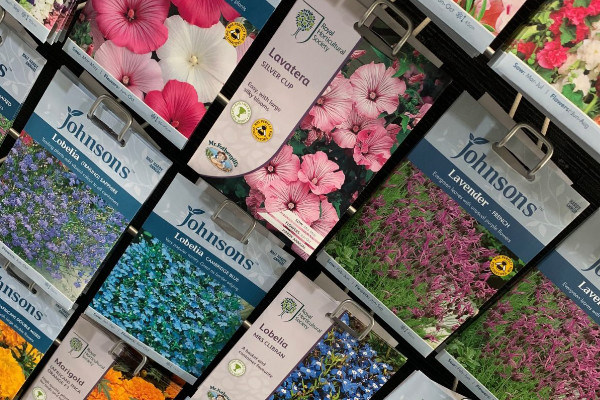
A splash of colour
Cotswolds Garden 15th June 2019
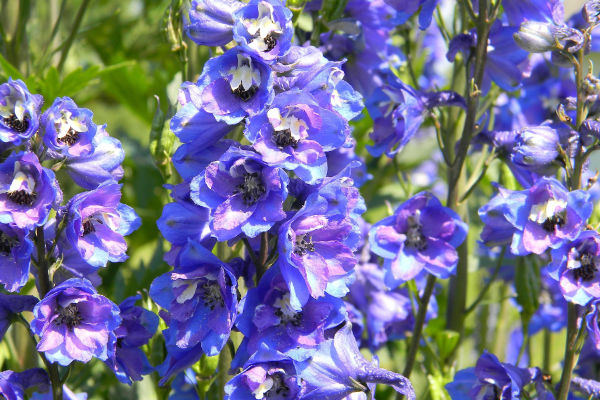
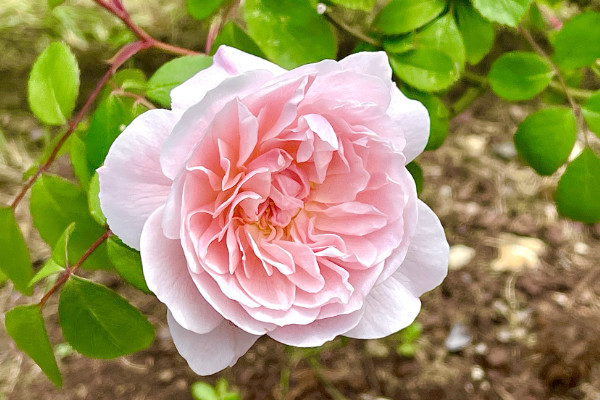
A splash of colour on an otherwise dull and wet day in the Cotswolds yesterday.
Sweet William ('Dianthus barbatus') is a charming biennial or short-lived perennial flower, prized for its clusters of bright, fragrant blooms in shades of pink, red, purple, and white. Popular in cottage gardens and as a cut flower, Sweet William attracts bees, butterflies, and other pollinators, adding both beauty and ecological value to your garden. It typically grows to a height of 12 to 24 inches and blooms in late spring to early summer, often continuing into mid-summer if deadheaded regularly. Gardeners appreciate its ease of care and its tendency to self-seed, which allows it to return each year with minimal effort.
Growing Sweet William
To grow Sweet William successfully, soil conditions are key. It prefers well-drained, loamy soil that is slightly alkaline to neutral (pH 6.0-7.5). Poor drainage can lead to root rot, so amending heavy or clay soil with compost or sand is recommended. Sweet William thrives in full sun but can tolerate partial shade, especially in hotter climates.
When starting from seed, sow directly outdoors in late spring or early summer for blooms the following year, or start seeds indoors 6 to 8 weeks before the last frost. Regular watering is essential during dry periods, but avoid overwatering. Applying a balanced fertilizer during the growing season can promote lush growth and vibrant flowers. Mulching helps retain moisture and suppress weeds, further supporting healthy development.With proper care, Sweet William is a rewarding addition to any garden.
Always look for brightness.
What flower brightens up your dull days?