June in the Garden: Blooming beautiful and buzzing with life
Cotswolds Garden 6th June 2025
June is a magical month in the gardening calendar. The days are at their longest, the sun is (usually!) shining, and gardens are bursting into full summer glory. Whether you're growing vegetables, tending to a wildflower patch, or simply relaxing with a cup of tea on the patio, June is a month to truly savour.
As a gardener, June is one of my favourite times to be outside. There's a real sense of momentum - the promise of spring has blossomed into the fulfilment of summer.
Let's take a look at what I'll be doing in the garden this month, the highlights to enjoy, and the essential jobs to keep everything looking its best.
The joys of June: Garden highlights
Flowers in Full Bloom
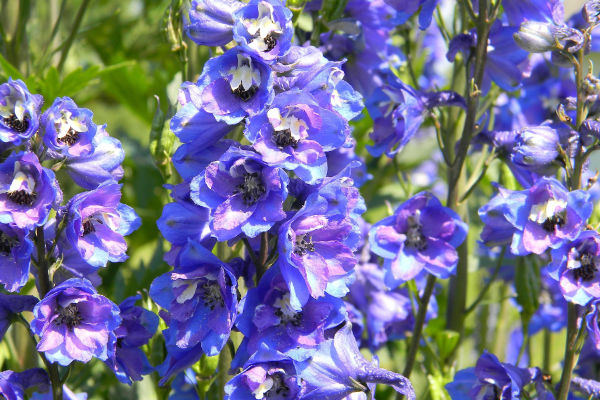
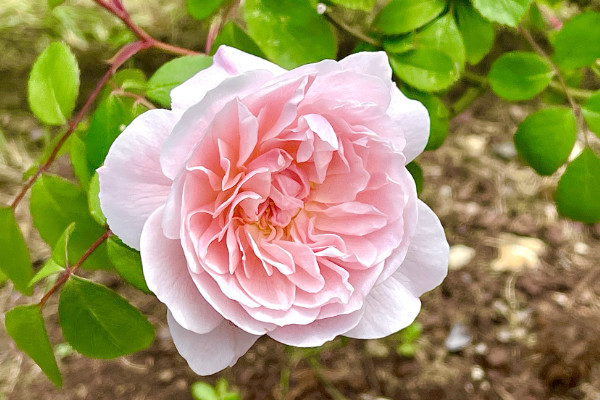
June is when many of our favourite blooms hit their stride. Roses, peonies, foxgloves, delphiniums, lupins, and irises are all making their presence known. If you've planted perennials or established a cottage garden, you're likely enjoying an explosion of colour and scent.
Evening strolls are particularly rewarding in June, with heady fragrances from plants like honeysuckle and jasmine filling the air. It's the perfect time to cut a few flowers for indoor arrangements too - sweet peas, roses and lavender bring the scent of the garden into the home.
Wildlife Wonders
With the longer, warmer days, wildlife is everywhere. Bees, butterflies, and birds are busy throughout the day, especially if your garden includes pollinator-friendly plants like echinacea, lavender, and verbena bonariensis.
You might also spot young fledglings taking their first flights, hedgehogs snuffling about at dusk, and frogs making use of a shady pond or damp corner.
Key jobs to do in the garden in june
Watering Wisely
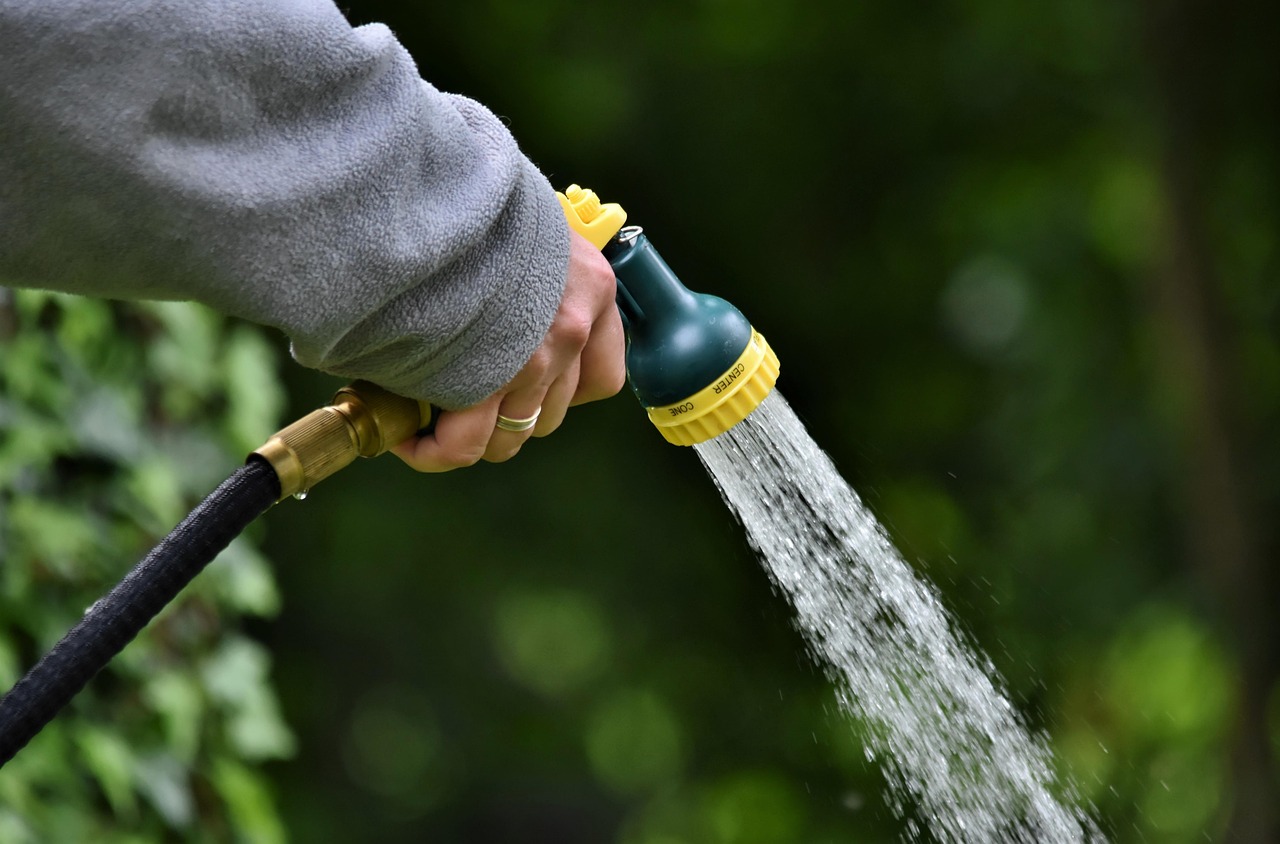
As temperatures rise, keeping your plants hydrated becomes more important - but that doesn't mean constant watering. Early morning or evening is best to reduce evaporation, and deep watering encourages roots to grow downwards, making plants more drought-resistant.
Pots and containers dry out quickly, so check them daily. Use mulch around beds and borders to conserve moisture and suppress weeds - well-rotted compost, bark chips, or grass clippings work well.
Deadheading and Pruning
Regular deadheading (removing spent flowers) helps many plants, including roses, dahlias, and bedding plants, to produce more blooms. This quick job pays off with prolonged flowering throughout the summer.
June is also the time to prune back spring-flowering shrubs like forsythia, flowering currant (Ribes), and early clematis (Group 1). This helps them keep a tidy shape and ensures strong flowering next year.
Feeding Your Plants
Many plants are growing rapidly now, and a regular feed can really boost their performance. Tomatoes, cucumbers, hanging baskets, and flowering annuals all benefit from a fortnightly liquid feed.
For roses, use a specialist rose feed after their first flush of blooms to encourage a second round later in summer.
Lawn Care
Your lawn is likely getting a workout this month, both from growing quickly and being enjoyed by the family. Mow regularly, but don't scalp the grass - keeping it a bit longer in hot weather helps retain moisture.
Feed with a summer lawn feed to encourage lush growth, and keep edges tidy for a well-groomed look. If you're leaving part of the lawn to grow wild, now;s a great time to enjoy wildflowers like clover and buttercups popping up.
Watch Out for Pests and Diseases
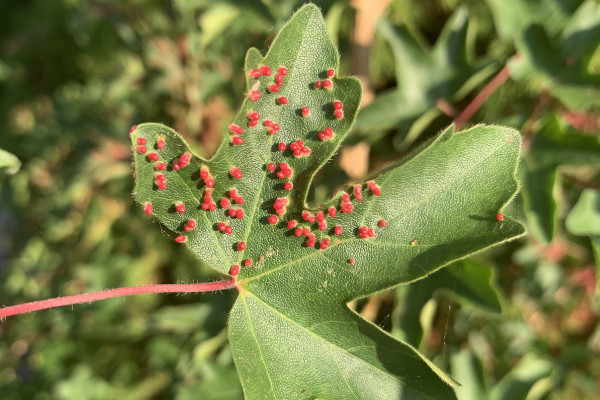
With all this growth, pests can be an issue. Keep an eye out for aphids on new shoots, black spot on roses, and slugs around young veg and bedding plants.
Encourage natural predators like ladybirds and birds, and try organic methods such as garlic sprays or beer traps for slugs. Companion planting - like marigolds with tomatoes - can help keep unwanted visitors at bay.
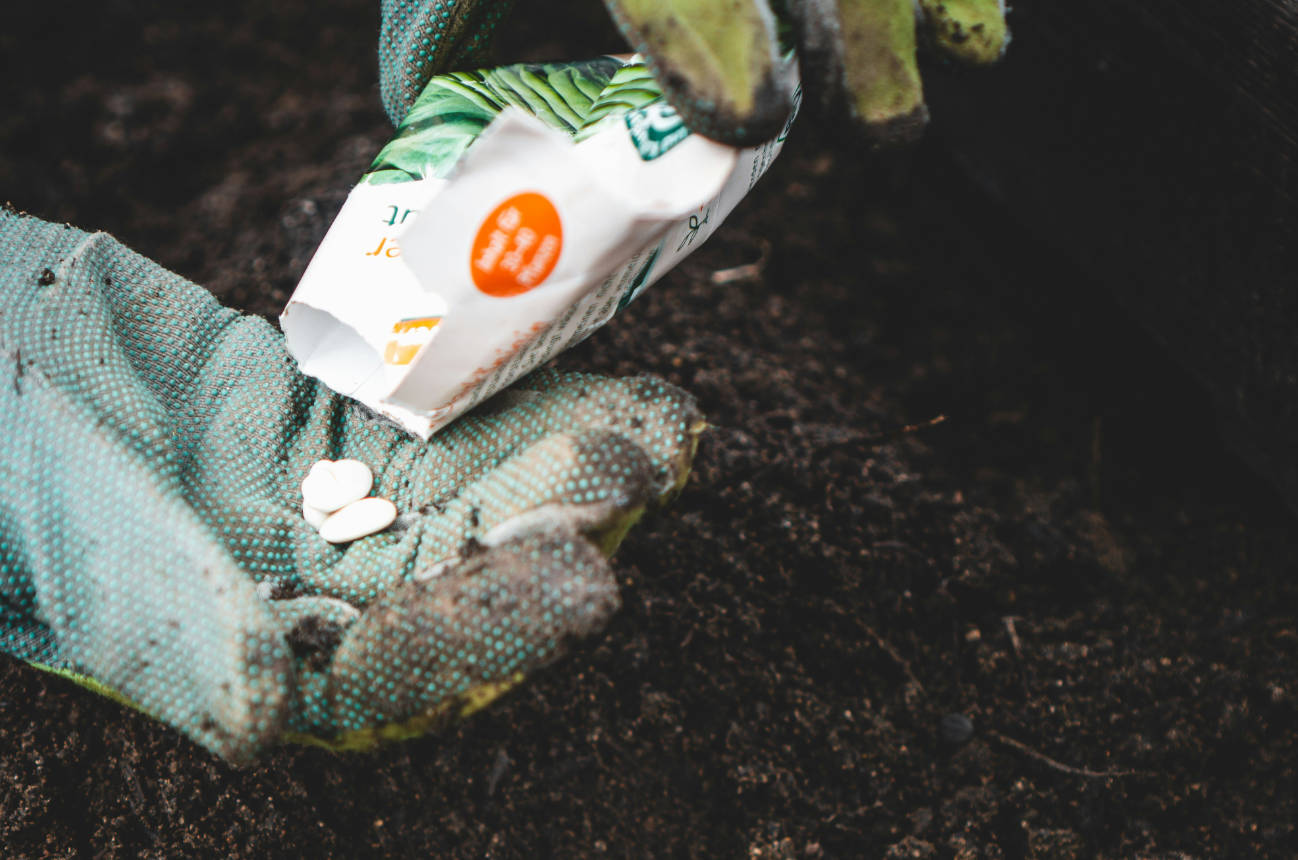
In the vegetable garden
June is a busy and productive month in the veg patch. Here's what's on the go:
What to Sow
- Direct sow outdoors: carrots, beetroot, lettuce, chard, radish, French beans
- Successional sowing: keep sowing salad crops every few weeks for a continuous harvest
- Start indoors (for autumn harvests): purple sprouting broccoli, kale, leeks, Brussels sprouts
What to Plant Out
If you started tender crops like courgettes, pumpkins, sweetcorn, and tomatoes indoors or under cover, they can now go out into the garden. Make sure they're well hardened off before planting, and space them generously.
Feeding and Mulching
Vegetables are heavy feeders, so top-dress with compost or apply an organic liquid feed, especially for fruiting crops like tomatoes and courgettes. Mulch between rows to retain moisture and suppress weeds.
Pest Patrol
Pigeons love young brassicas, so use netting to protect them. Keep an eye out for cabbage white butterflies and remove eggs before caterpillars hatch. Companion planting with nasturtiums can help deter some common pests.
Fruits of your labour
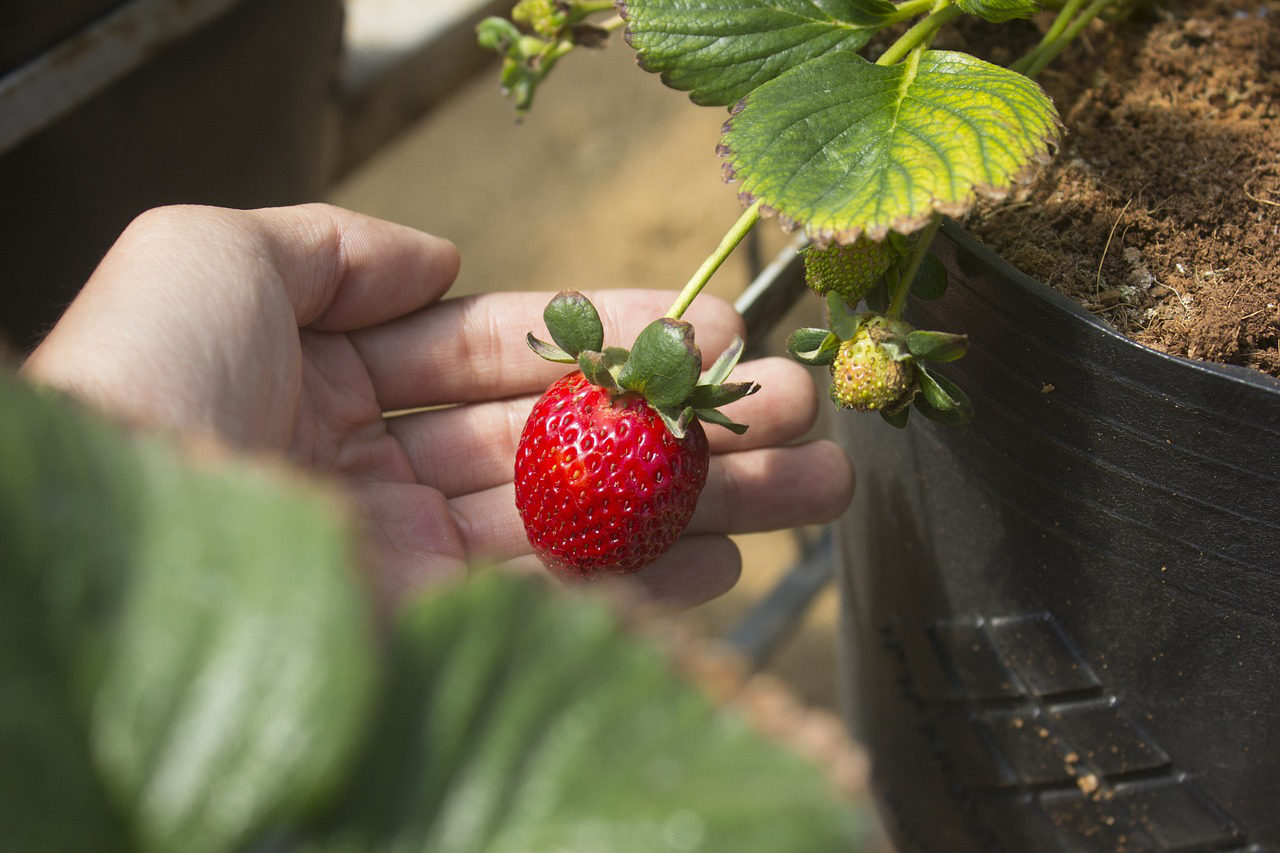
June is strawberry season - and few things are more rewarding than picking your own sun-warmed berries. Protect ripening fruit with netting and straw to prevent rot and deter birds.
Raspberries, gooseberries, and currants are also swelling now. Thin crowded gooseberries for better airflow and larger fruit, and tie in raspberry canes as they grow. Keep fruit bushes well watered and mulched.
Containers, hanging baskets and colour
June is peak time for summer displays. Whether you love the bold colours of pelargoniums and petunias or a more understated palette of white, lavender, and silver foliage, now's the time to make your mark with containers.
Feed weekly, deadhead regularly, and keep up with watering to get the best out of your displays. Don't forget to rotate containers or shift them slightly to ensure even growth if they're against a wall or fence.
Greenhouse and indoor gardening
In the greenhouse, ventilation is key in June. Prop open windows and doors, and consider shade netting or blinds during hot spells. Water regularly, but avoid waterlogging. Tomatoes will need regular feeding and side-shooting, while peppers and chillies will soon start fruiting.
Indoors, houseplants may need more frequent watering and possibly repotting if they've outgrown their containers. Move plants into brighter positions if they've been in winter shade - but watch for scorching on sunny windowsills.
What to look forward to
There's plenty more to come! Here are a few things I'm excited about in the garden this month:
- Lavender starting to flower, bringing bees and that unmistakable scent
- First harvests of homegrown lettuce, radishes, and baby carrots
- Evening light stretching until almost 10pm - perfect for a stroll or glass of wine in the garden
- Summer bulbs like lilies and agapanthus coming into bloom
- Watching wildlife, especially birds teaching fledglings to feed and fly
June tips & tricks
With so much happening in the garden during June, it's easy to feel swept up in the whirlwind of growth and colour. But a few smart strategies can make your gardening more efficient, enjoyable, and even more productive. Whether you're a seasoned pro or just getting your hands dirty for the first time this summer, these practical tips and timely tricks will help you stay ahead of the game and make the most of your garden this month.
- Install a water butt to take advantage of summer rainfall and reduce your water bills
- Keep secateurs handy - there's always something to snip!
- If going away, ask a neighbour to water or invest in automatic watering systems
- Sow biennials like wallflowers, foxgloves and honesty for next spring
- Keep a garden journal to track what's working and what to change next year
Celebrate the height of the growing season
June is all about abundance, colour, and celebration. It's the height of the growing season - full of life, scent, and sound. With the right care and a little time each day, your garden will reward you with flowers, fruit, and a sense of joy that's hard to match.
What do you enjoy about June in the garden?
Whether you're planting, pruning, harvesting, or simply soaking it all in, enjoy every moment. Happy gardening!