Best plants to replace Box hedge
Cotswolds Garden 16th May 2025
When a friend recently asked what they could replace their Box hedge with, after it had been decimated by the Box tree caterpillars, it was with a feeling of Déjà vu that we sat down over a cup of coffee to discuss this all too common question.
Losing a neatly clipped hedge that's taken years to establish is gutting. Sadly, it's becoming an all-too-common tale in British gardens.
First, Let's Talk About What Went Wrong
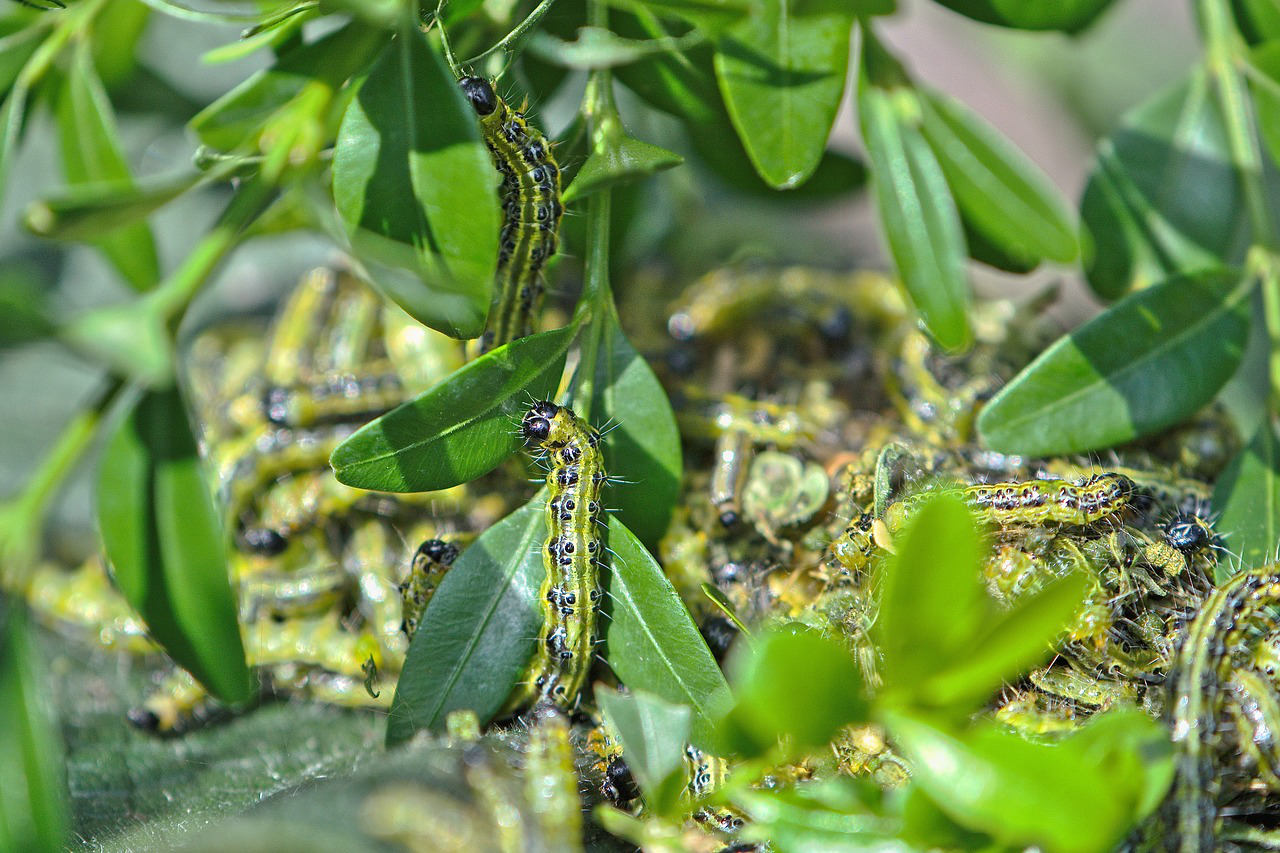
Box hedging has long been a staple of formal gardens - neatly clipped, evergreen, and happy in everything from shady corners to dry sun traps. But for many gardeners, that tidy green outline has recently turned into a depressing mess of chewed leaves and bare stems. Blame the box tree moth. And if it wasn't the moth, it was probably box blight. Either way, it's time to talk about moving on.
Box (Buxus sempervirens) was once considered bulletproof. But in the past decade, it's become clear that it's anything but. The box tree moth caterpillar, introduced to the UK via Europe, has spread rapidly, munching its way through box plants with astonishing speed. Combine that with box blight, a fungal disease that causes leaf drop and dieback, and suddenly the most dependable hedge in town looks more like firewood.
Once these problems appear, they're tough to control. So many gardeners are making the sensible decision to remove box altogether and seek alternatives that don't come with such a long list of caveats.

What Makes a Good Box Substitute?
If you've just watched your once-immaculate hedge vanish almost overnight, you're not alone - and yes, there are other plants that can step in. Just be prepared: replacing box isn't about finding a carbon copy. It's about choosing the right plant for your garden's conditions and accepting a slightly different aesthetic. Let's explore the options.
When looking for replacements, you'll want to consider:
- Evergreen foliage
- Tolerance to clipping
- Resistance to pests and diseases
- Suitability for your soil and light conditions
- Longevity and drought resilience
Some plants tick most of these boxes, but not all. And that's okay - you just need to find the one that suits your patch of earth.
Top Alternatives to Box Hedging
Here's a round-up of tried-and-tested options that can step in, depending on your garden's conditions and your design goals:
Replacing Box with Yew (Taxus baccata)
Yew has been used in formal gardens for centuries. It's slow-growing but forms a dense, evergreen hedge that clips beautifully. Once established, it's very drought tolerant and far more resilient than box. If you're replanting on a large scale and want a timeless look, this is a strong contender.
Best for: Formal hedges, longevity, shade tolerance
Avoid if: You want something fast-growing
Replacing Box with Euonymus japonicus 'Green Spire' or 'Jean Hughes'
Euonymus gives you a tidy, glossy green hedge that tolerates a wide range of soils and light levels. It's fast-growing and tough, with better pest resistance than box. The habit is a little looser, but with regular trimming, it shapes up nicely.
Best for: Small hedges, container planting
Avoid if: You want a very rigid or tight structure
Replacing Box with Portuguese Laurel (Prunus lusitanica)
Portuguese laurel grows more vigorously than box, but it responds well to trimming and has attractive dark foliage and red stems. It handles sun or shade and is generally unbothered by pests.
Best for: Medium to large hedges, privacy screens
Avoid if: You have very poor or shallow soil
Replacing Box with Sarcococca (Sweet Box)
Sarcococca stays low, neat, and evergreen, and it's beautifully scented in winter. It's not a hedge for a big statement, but it's ideal for small borders or underplanting near paths or entrances.
Best for: Shady spots, winter fragrance
Avoid if: You want a very formal look or fast growth
Replacing Box with Lavender & Rosemary
If you're in a sunny spot with free-draining soil, lavender or rosemary offers a completely different look - more relaxed, more Mediterranean. They won't mimic box's dense habit, but they bring scent, colour, and pollinator appeal. Try varieties like Lavandula 'Grosso' or Salvia rosmarinus 'Green Ginger' for something a little more architectural.
Best for: Sunny, dry locations, informal hedging
Avoid if: You want year-round structure or crisp lines
Should I try Japanese Holly?
You might have heard of Ilex crenata (Japanese holly) as a box lookalike. It's certainly neat and small-leaved, but it's also quite fussy. It doesn't like chalky or dry soils and can struggle in sunbaked borders.
Unless your garden has consistently moist, neutral-to-acidic soil, it's probably more trouble than it's worth.
Some Final Advice
If your box hedge has gone, treat it as a fresh start. Take time to assess your site - sun exposure, soil type, wind, moisture levels - and choose a plant that suits your conditions, not just your wish list.
And remember: no evergreen hedge is truly maintenance-free. Even drought-tolerant plants need a little help when establishing, and shaping requires regular clipping. But choose wisely, and you?ll end up with a hedge that looks good and lasts.
Have you found a box alternative that's worked brilliantly in your garden? Let us know, we're all learning as we go!